Home · Solutions · Aerospace & Defense
Solutions · Aerospace & Defense
Aerospace and defense programs with certification‑ready traceability
DO-178C, DO-254 and ARP4754B evidence from one connected IBM Engineering Lifecycle Management toolchain, set up by consultants who work with aerospace and defense programs.
Aerospace & Defense
The aerospace and defense sector
Aircraft and defense systems are defined in software
The sector covers aircraft and engine manufacturers, defense primes and the supply chain behind them: system suppliers for avionics, flight controls and mission systems, and component, electronics and software suppliers. Programs run for decades, involve partners in many countries and are approved by authorities such as EASA, the FAA and national defense agencies.
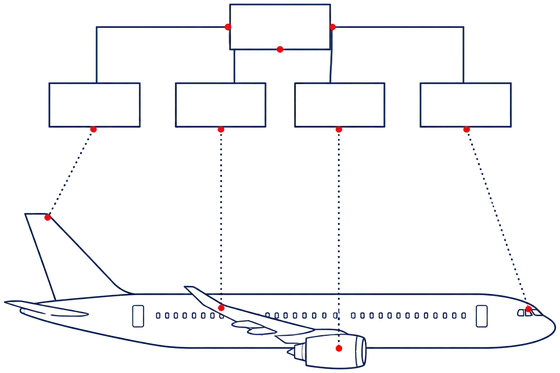
More and more of what an aircraft or a weapon system does is defined in software and electronics. Every function has to be shown to be safe, secure and correctly implemented before it flies, and again after every change.
 Shift
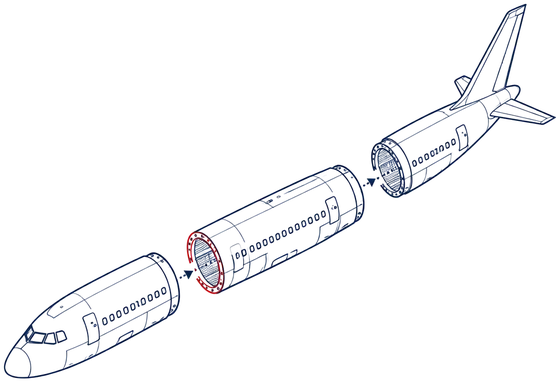
Model-based systems engineering
Programs and defense customers expect a digital thread from mission requirements through SysML models to verification.
 Shift
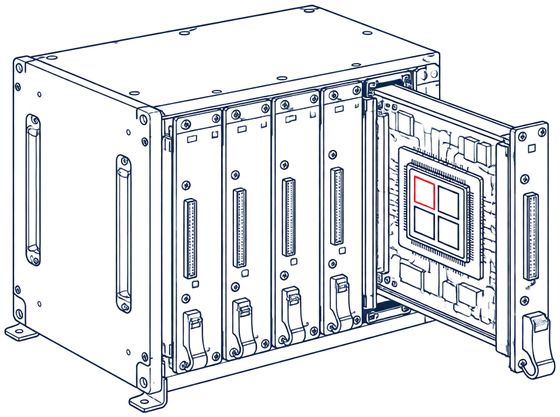
Integrated modular avionics
Functions of different criticality share multicore processors, which brings new interference and partitioning evidence (AMC 20-193).
 Shift
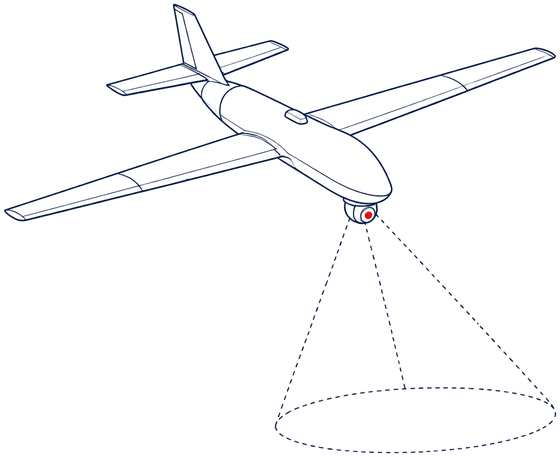
Autonomy and machine learning
Unmanned systems and learning-based functions push assurance beyond classic requirements-based testing.
 Shift
Faster programs, more partners
European rearmament and joint programs bring tighter schedules, more suppliers and stricter export control.
Engineering challenges
What this means for software and systems engineering
Certification across the life cycle
DO-178C, DO-254 and ARP4754B objectives have to be met with evidence for every review, not only at the end of the program.
Systems engineering at scale
Requirements, models and safety analyses for thousands of functions stay consistent only when they are linked, not copied between documents.
Programs across company and country borders
Primes, partners and suppliers exchange specifications constantly, under export control and different tools on each side.
Security of program data
Classified and export-controlled programs run on separate networks with access control per program, often with no internet connection at all.
Decades of change
Aircraft and defense systems stay in service for 30 years or more. Every modification, obsolescence fix and upgrade needs the same trace as the original design.
Safety and security together
ARP4761A safety assessment and DO-326A airworthiness security have to work on the same functions and requirements without duplicate analyses.
What certification authorities expect
Where aerospace programs lose time before a review
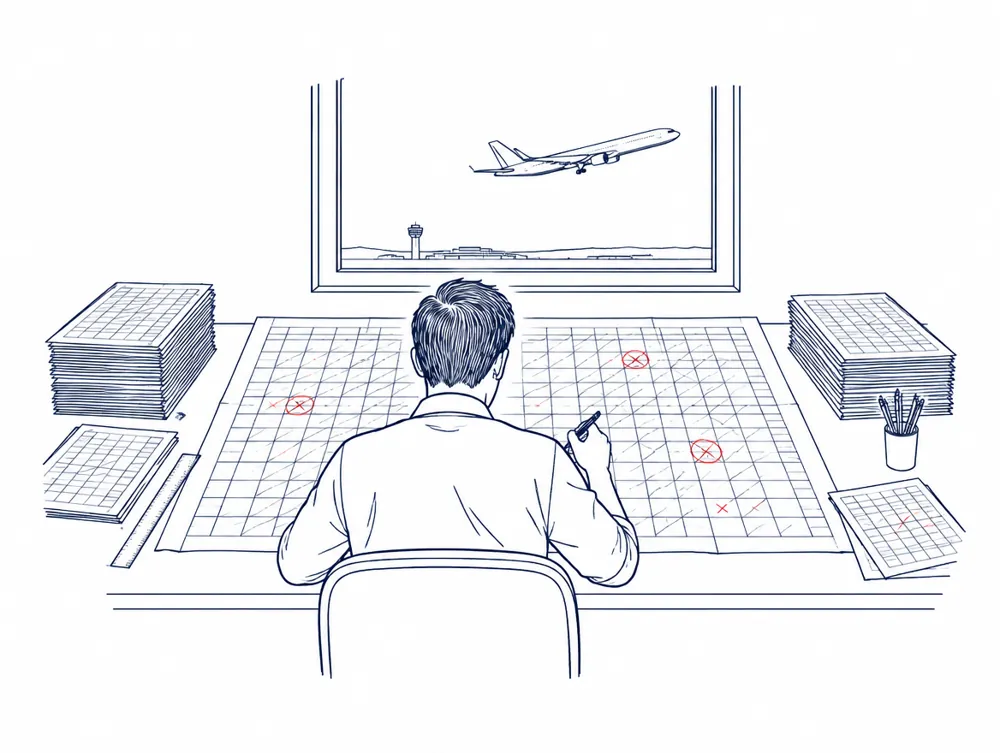

Before each Stage of Involvement review the team exports links into a matrix by hand, and the matrix is out of date a week later.
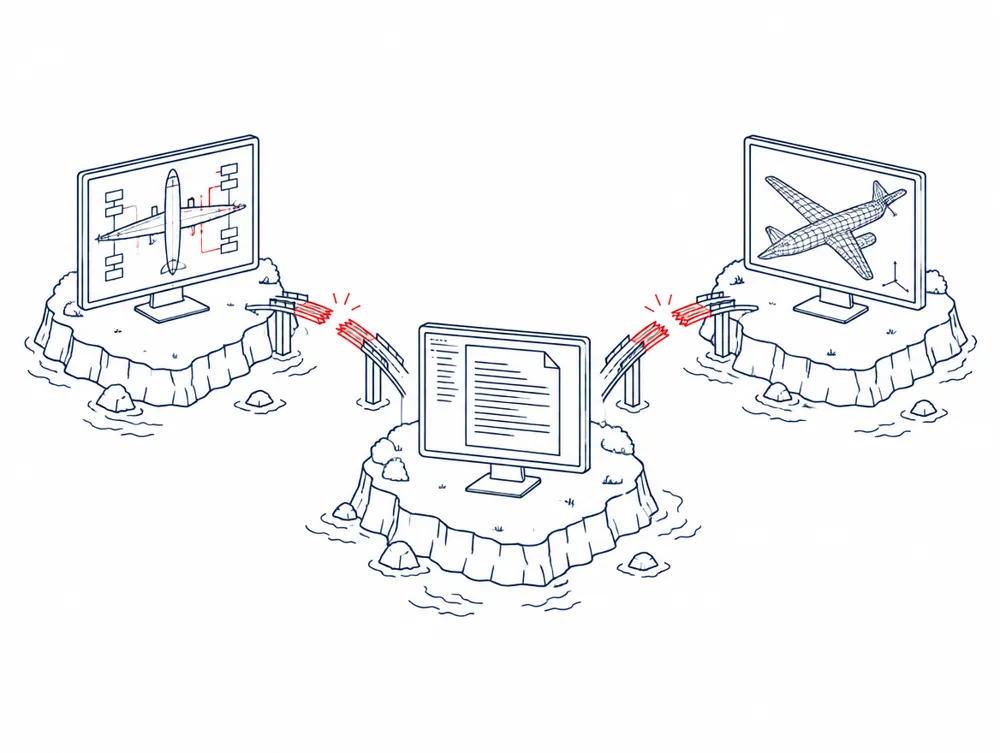
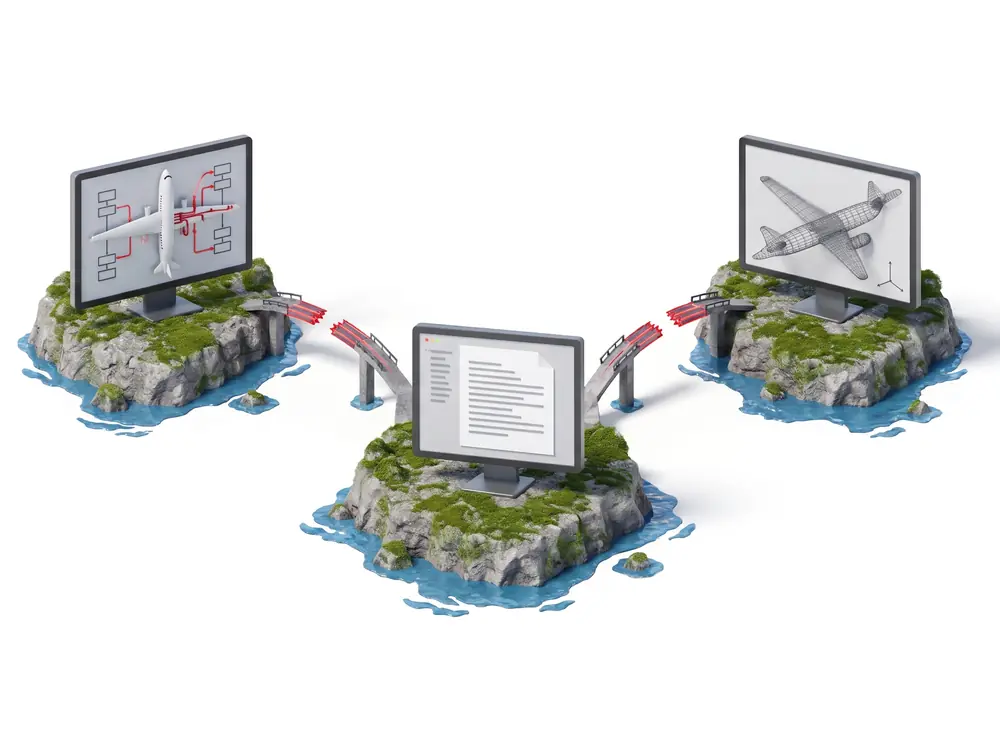
Aircraft functions and safety assessment are in one place, software requirements in another and models in a third.
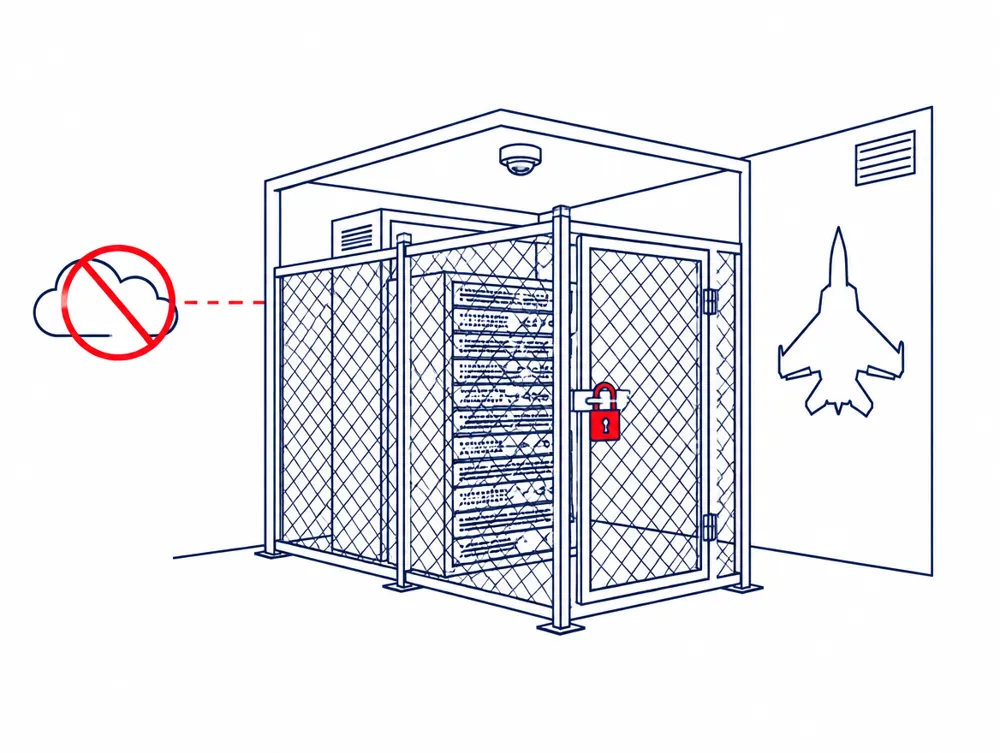
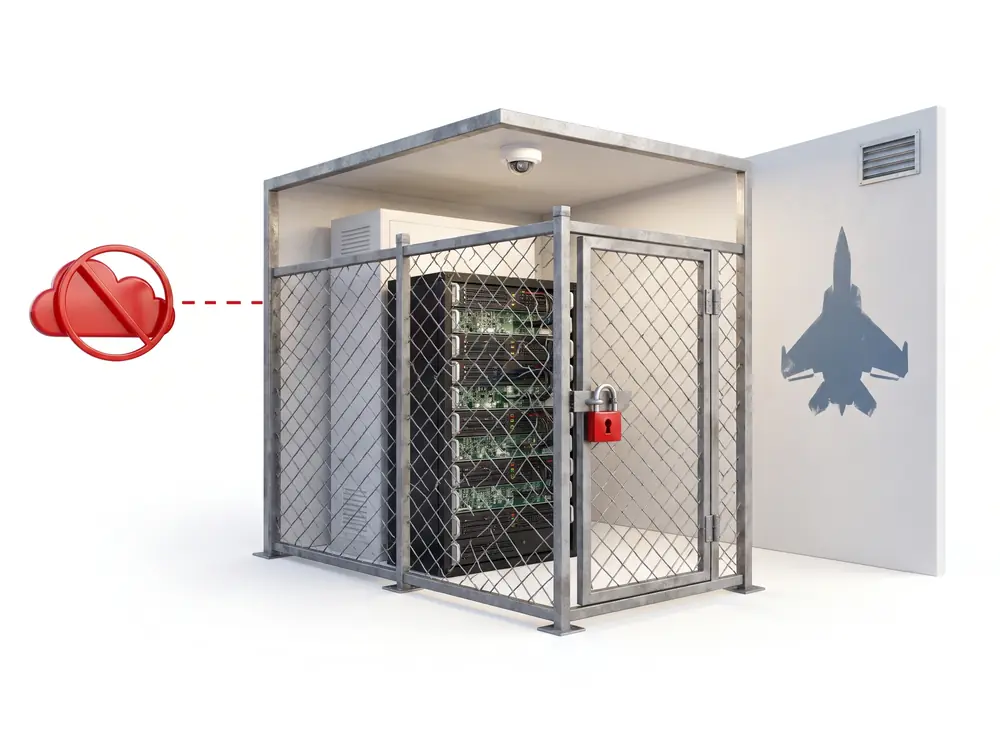
Defense programs need on-premise or air-gapped installations with strict access control per program.
RiskFindings on DO-178C traceability objectives delay certification credit.
With Smarter ProcessThe trace from system requirement to high- and low-level requirements, code and tests is a saved view, ready for every SOI.
RiskDerived requirements never reach the safety assessment.
With Smarter ProcessFunctions, failure conditions, models and software requirements are linked in one IBM Engineering Lifecycle Management project.
RiskCloud-only tools are ruled out from the start.
With Smarter ProcessWe install and maintain IBM Engineering Lifecycle Management on your own servers, including closed networks.
Compliance map
DO-178C, ARP4754B and ARP4761A, mapped to the toolchain
Pick a standard to see what it asks for, and where it lives in your toolchain once we have set it up.
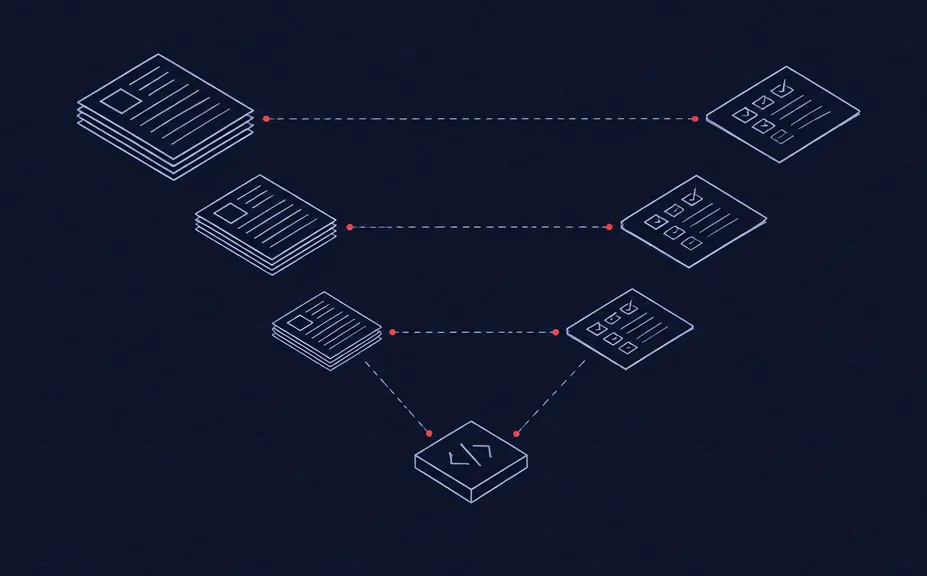
DO-178C · Sections 5.5 and 6.5
 IBM Engineering Requirements Management DOORS NextIBM Engineering Test Management
What it asks forTrace system requirements to high- and low-level requirements, source code and tests in both directions
How we cover itLink types for HLR, LLR, code and tests; trace views and gap reports
 IBM Engineering Requirements Management DOORS Next
 IBM Engineering Test Management
DO-178C · Section 7 (CC1 and CC2)
IBM Engineering Lifecycle Management Global Configuration ManagementIBM Engineering Workflow Management
What it asks forBaselines, problem reporting and change control for all life cycle data
How we cover itGlobal configurations and baselines per review; problem reports linked to the items they change
 IBM Engineering Lifecycle Management Global Configuration Management
 IBM Engineering Workflow Management
DO-178C · Section 6.4
IBM Engineering Test Management
What it asks forRequirements-based testing with coverage of high- and low-level requirements
How we cover itTest cases and results traced to each requirement; coverage view per baseline
IBM Engineering Test ManagementDO-254 · Sections 5.1 and 6.2
IBM Engineering Requirements Management DOORS NextIBM Engineering Test Management
What it asks forHardware requirements captured, validated and verified with traceability to the design
How we cover itHardware requirement modules on the same chain as software, with review records
IBM Engineering Requirements Management DOORS NextIBM Engineering Test ManagementARP4754B · Requirements capture and validation
IBM Engineering Requirements Management DOORS NextIBM Engineering Systems Design Rhapsody
What it asks forAircraft functions decomposed to systems and items, with assigned development assurance levels
How we cover itFunction, system and item modules with FDAL and IDAL attributes; allocation links to the architecture
IBM Engineering Requirements Management DOORS Next IBM Engineering Systems Design Rhapsody
ARP4761A · FHA, PSSA and SSA
IBM Engineering Requirements Management DOORS Next
What it asks forFailure conditions and the safety requirements derived from them, verified in the system safety assessment
How we cover itFailure conditions linked to derived safety requirements and to verification results
IBM Engineering Requirements Management DOORS NextDO-326A · Security risk assessment
IBM Engineering Requirements Management DOORS NextIBM Engineering Test Management
What it asks forThreat conditions, security measures and their verification for airworthiness security
How we cover itThreat condition and security requirement types on the same links as safety; review workflow
IBM Engineering Requirements Management DOORS NextIBM Engineering Test ManagementMIL-STD-882E · Task 106
IBM Engineering Requirements Management DOORS NextIBM Engineering Workflow Management
What it asks forA hazard tracking system with risk assessment and formal risk acceptance
How we cover itHazard log module with risk matrix attributes and an approval workflow
IBM Engineering Requirements Management DOORS NextIBM Engineering Workflow ManagementBook a 30-min compliance gap review
Compliance is achieved by your organization and confirmed by your certification authority or customer. Tools hold the evidence; we set them up so the evidence is complete and easy to show.
Capabilities
What your team can do on day one
Baselines for every review
Freeze a configuration for each SOI or design review and compare it with the next one, item by item. Auditors see exactly what changed and why.
- IBM Engineering Lifecycle Management Global Configuration Management
Trace matrices that stay current
The requirements trace matrix is a live view, not an export. Gaps and suspect links show up the day they appear, not at the review.
- IBM Engineering Requirements Management DOORS Next
MBSE linked to requirements
SysML models link to requirements, so a change in the architecture shows which requirements and tests to recheck.
- IBM Engineering Systems Design Rhapsody
Safety assessment in the same chain
FHA, PSSA and derived safety requirements live next to system requirements and flow down to items and tests.
- IBM Engineering Requirements Management DOORS Next
On-premise and air-gapped
The toolchain runs in your data center or on a closed network, with access control per program and project area.
- IBM Engineering Lifecycle Management
Certification data from live data
Plans, trace matrices and verification summaries are generated from the tools, in your own document templates.
- IBM Engineering Lifecycle Optimization – Publishing
- IBM Engineering Test Management

See every product we implement and support
IBM Engineering Lifecycle Management, HCL and GitLab: licences, set-up, training and support from one team.
All products →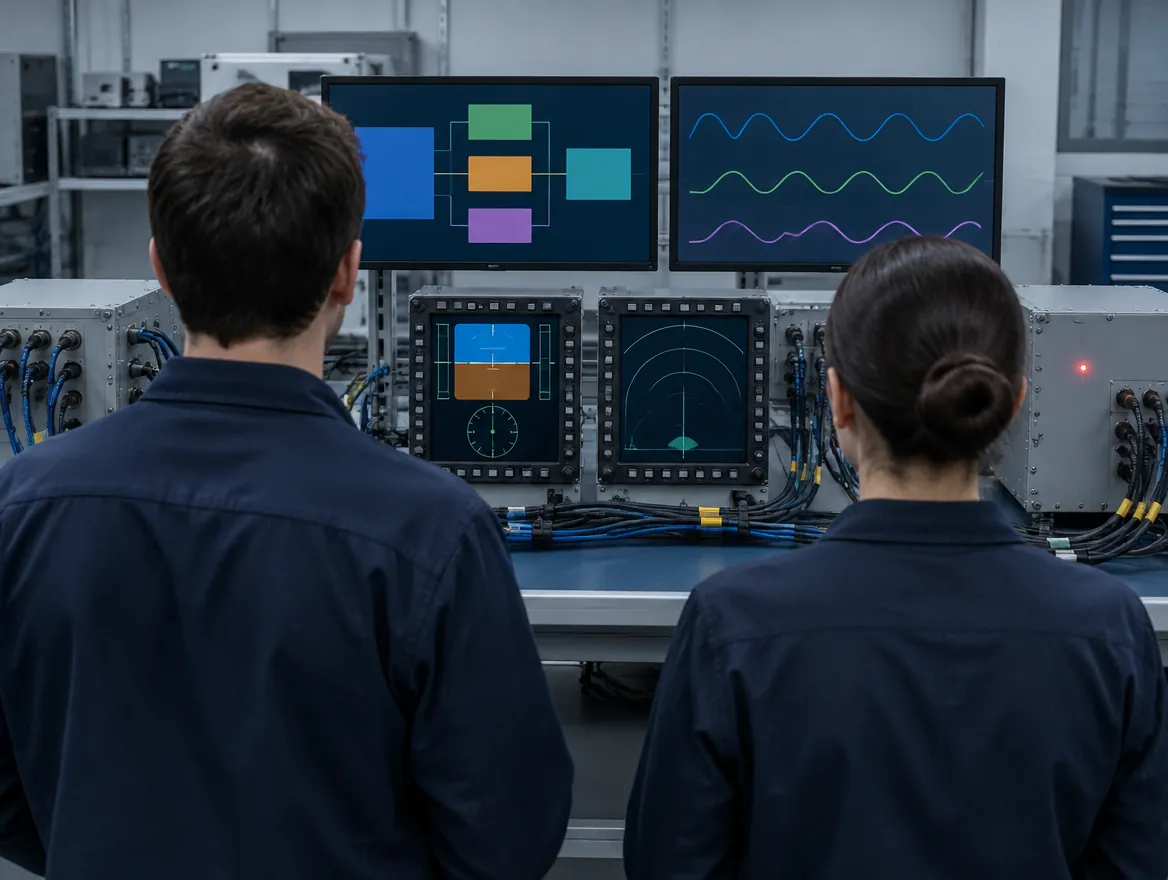 Avionics integration lab
Customer references
Engineering teams at defense primes and the Polish defense industry
We work with engineering teams at Lockheed Martin, Northrop Grumman, Raytheon, PGZ and PIAP on requirements, models and verification in IBM Engineering Lifecycle Management.
MBSEwith IBM Engineering Systems Design Rhapsody and SysML
Tracefrom aircraft function to test
On-premiseon program networks





Learn more
Training, articles and services


FAQ
Questions aerospace and defense teams ask us
Do IBM Engineering Requirements Management DOORS Next and IBM Engineering Test Management need tool qualification under DO-330?
It depends on how you use them, not on the product. A tool needs qualification when it eliminates, reduces or automates a DO-178C process and its output is not verified. Managing and tracing requirements usually does not, because reviews check the output. Generating trace reports or test coverage that you take credit for without review can. We go through each use case with you, document the decision in the PSAC and, where needed, prepare qualification data at the right TQL.
Can the toolchain run on an air-gapped or classified network?
Yes. IBM Engineering Lifecycle Management is installed on your own servers and does not need an internet connection. We install, configure and update it on closed networks using offline packages, set up access control per program and project area, and document the configuration for your security accreditation. Where the program allows, we can also host it for you.
We are in the middle of a program on IBM Engineering Requirements Management DOORS (9.x). How do we move without losing certification baselines?
Not all at once. Programs close to a certification milestone often stay on IBM Engineering Requirements Management DOORS (9.x) until the next baseline, while new work starts in IBM Engineering Requirements Management DOORS Next. When a program moves, modules, attributes and links move with their original IDs, and each certification baseline is kept as a baseline in IBM Engineering Requirements Management DOORS Next, so earlier SOI data stays reproducible. DXL scripts are inventoried first and most are replaced by configuration or views.
Our models are in Cameo or Capella, not IBM Engineering Systems Design Rhapsody. Can they still be part of the trace?
Yes. Requirements in IBM Engineering Requirements Management DOORS Next can be linked to model elements through OSLC where the modeling tool supports it, or exchanged through Requirements Interchange Format (ReqIF) and SysML exports where it does not. We assess your modeling tools first and recommend the lightest integration that keeps model elements and requirements in step. IBM Engineering Systems Design Rhapsody is the natural choice for new programs, but it is not a precondition.
How do we work with suppliers and partners under export control?
Each partner gets only the modules and attributes it is allowed to see, through ReqIF exchange or controlled access to a separate project area. Export classification can be an attribute on every requirement, used in views and exports so controlled content does not leave by mistake. Supplier answers come back into the same trace, compared with the previous delivery.
How does DO-326A airworthiness security work alongside the ARP4761A safety assessment?
In the same project, with separate artifact types and link rules. Threat conditions and security requirements link to the same aircraft functions, system requirements and tests as failure conditions and safety requirements. One change then triggers both safety and security impact analysis, and the security and safety data for certification come from one source.
New · SmarterWidgets 2.0
Ready-made widgets for IBM DOORS Next
Add them to the ELM Mini Dashboard and hand repetitive requirements work over to them. Each one previews its changes first.
Browse all widgets- Content qualityClean text and glossary linksStyle Cleaner, Link Checker and more
- Links and traceabilityFix, move and inspect linksLink Remover, Module To Base Links and more
- Module structureBuild and repair module hierarchyModule Fill, Module Explorer 2.0 and more
- Configuration and governanceBaselines, data models and auditsBaseline Archiver, Compare Data Models and more
- Reporting and publishingCharts, maps and publishingPublishing URLs, Module Insights and more
- See all widgetsScreenshots and details for every widget


Watch and learn
Our Videos
Demos, tutorials and customer stories on requirements, traceability and test.