Home · Solutions · Railway
Solutions · Railway
Railway systems with SIL‑ready traceability
EN 50126, EN 50716 and EN 50129 evidence from one connected IBM Engineering Lifecycle Management toolchain, set up by consultants who work with railway engineering teams.
Railway
The railway sector
Trains and signalling are defined in software
The sector covers rolling stock manufacturers, signalling and train control suppliers, infrastructure managers and operators, and the suppliers of subsystems, electronics and software behind them. Projects run for years, assets stay in service for decades, and every safety-related system is reviewed by an independent safety assessor before a national safety authority approves it.
More and more of what a train or an interlocking does is defined in software. Every safety function has to be shown to meet its safety integrity level before it goes into service, and again after every change.
 Shift
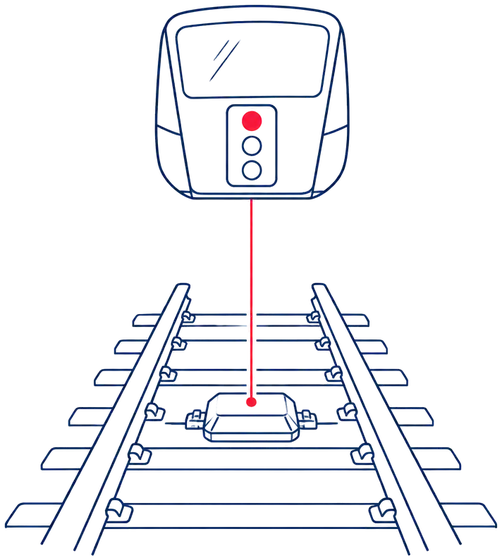
Digital signalling
ERTMS/ETCS and CBTC move train protection from trackside equipment into software on board and in control centres.
 Shift
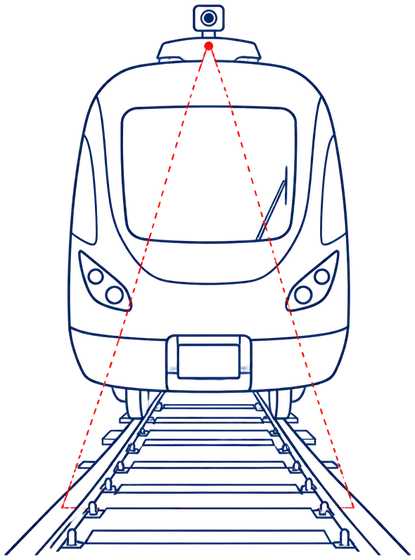
Automated train operation
Higher grades of automation add new safety functions and new evidence for supervised and driverless operation.
 Shift
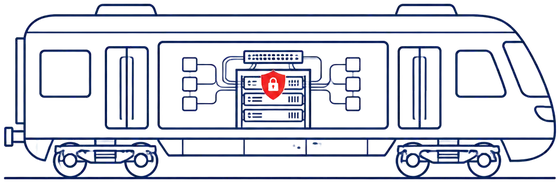
Cybersecurity for rail
CLC/TS 50701 brings security zones, threat analysis and security requirements into the same life cycle as safety.
 Shift
One software standard
EN 50716:2023 replaces EN 50128 and EN 50657, so signalling and rolling stock software follow the same requirements.
Engineering challenges
What this means for software and systems engineering
SIL evidence across the life cycle
EN 50126 phases and EN 50716 software requirements need evidence at every phase gate, not only before the safety case is submitted.
Hazards linked to requirements
Every hazard in the hazard log needs safety requirements, a SIL and verification, and the links have to survive every change.
Operators, contractors and suppliers
Operator specifications flow to the main contractor and on to subsystem suppliers, each with its own tools and formats.
Security of rail systems
CLC/TS 50701 asks for zones and conduits, a security risk assessment and security requirements traced to the system design.
Decades in service
Rolling stock and signalling stay in service for decades. Every modification, obsolescence fix and upgrade needs the same trace as the original design.
Generic and specific applications
EN 50129 separates generic products, generic applications and specific applications. Each line or project reuses the generic evidence and adds its own.
What assessors expect
Where railway teams lose time before an assessment
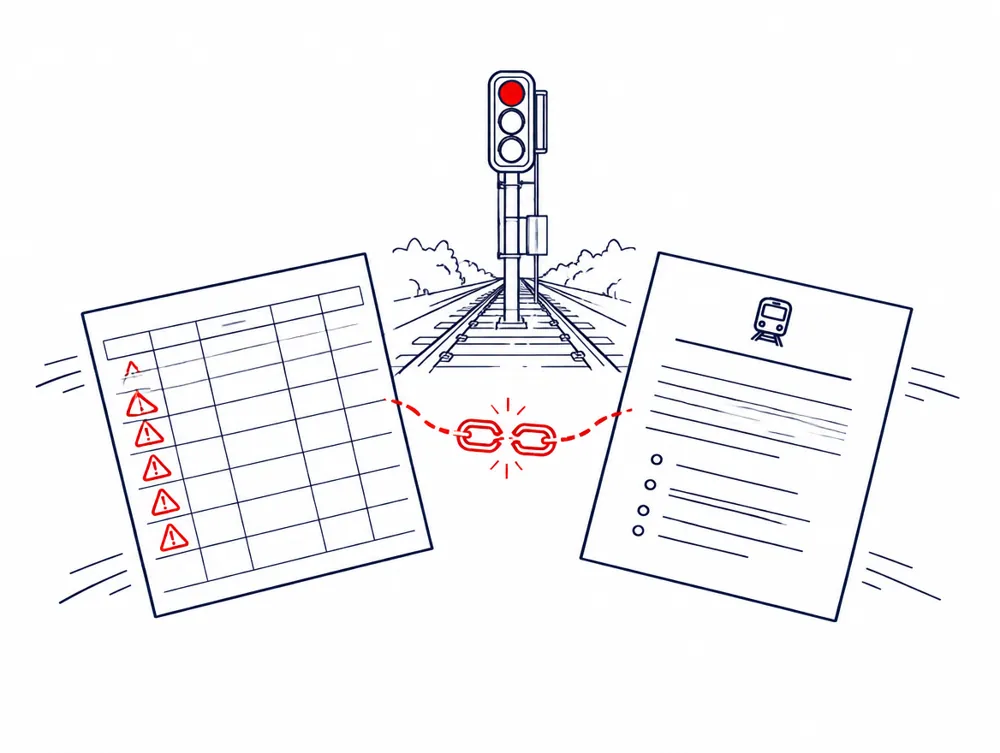
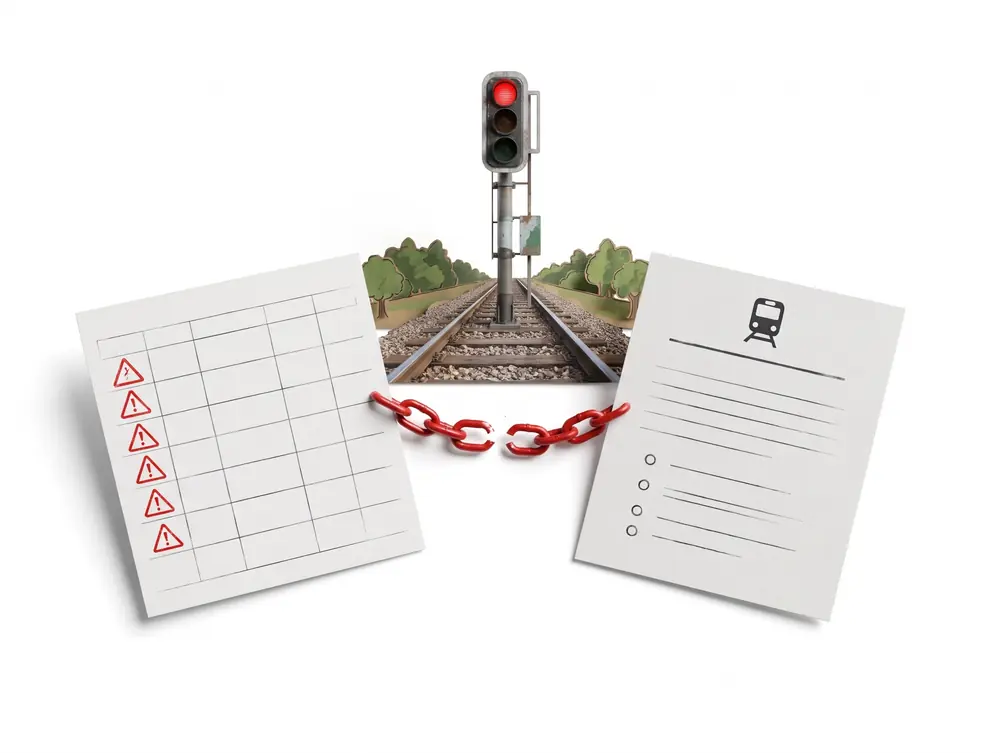
The hazard log lives in a spreadsheet and the safety requirements in a document. After each change someone checks the links by hand.
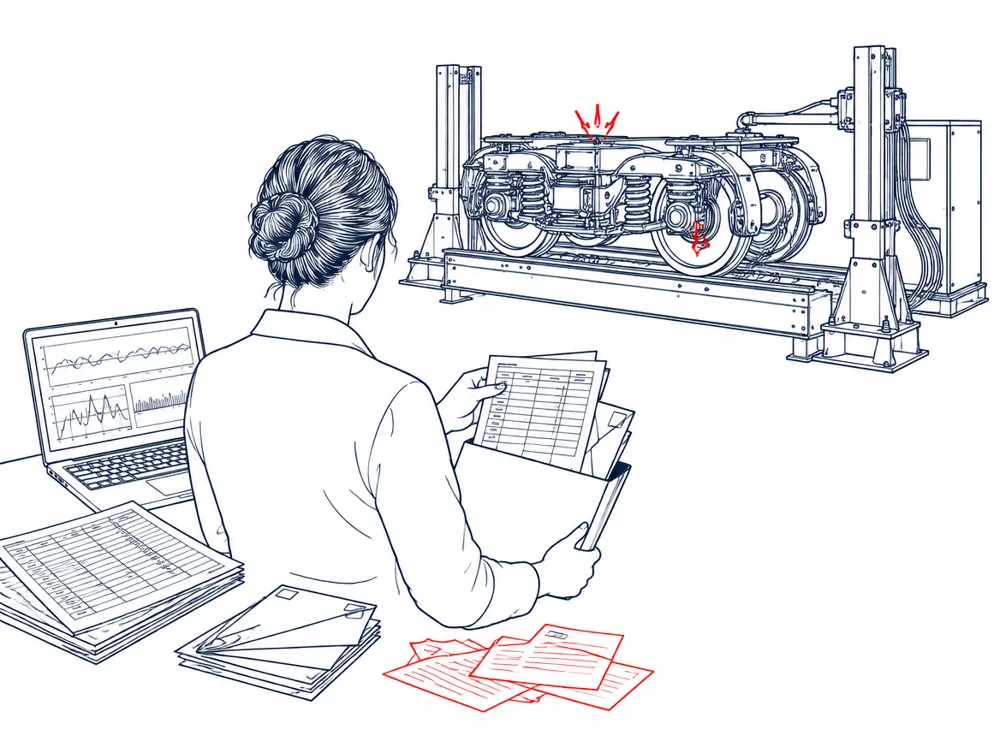
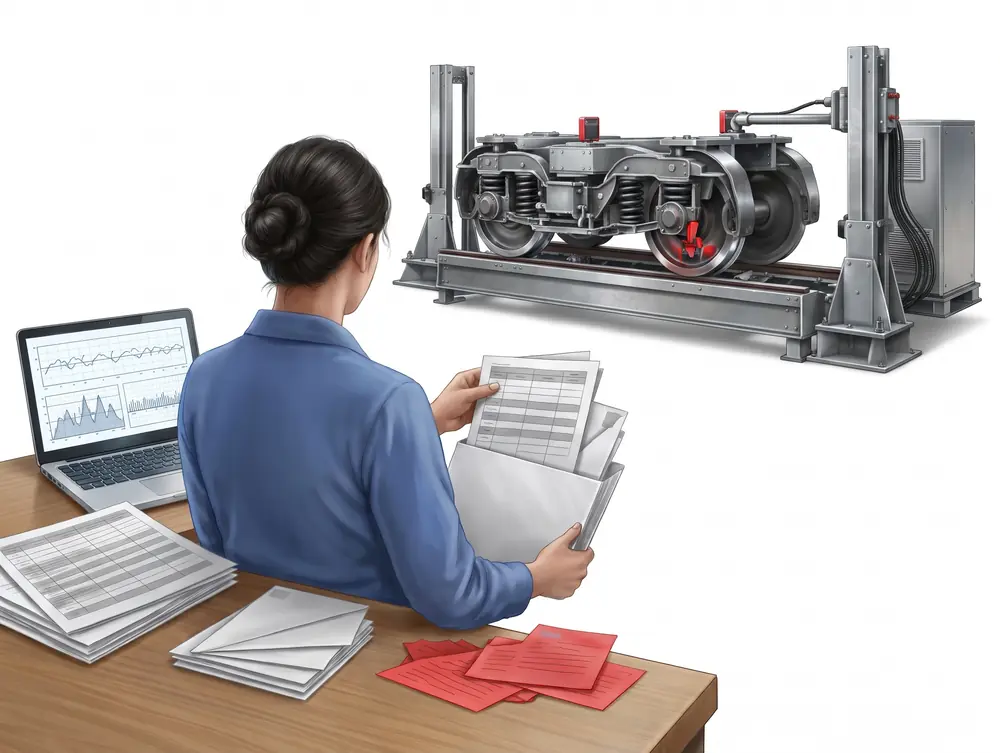
Before each issue of the safety case, test reports are gathered from test tools, spreadsheets and email.
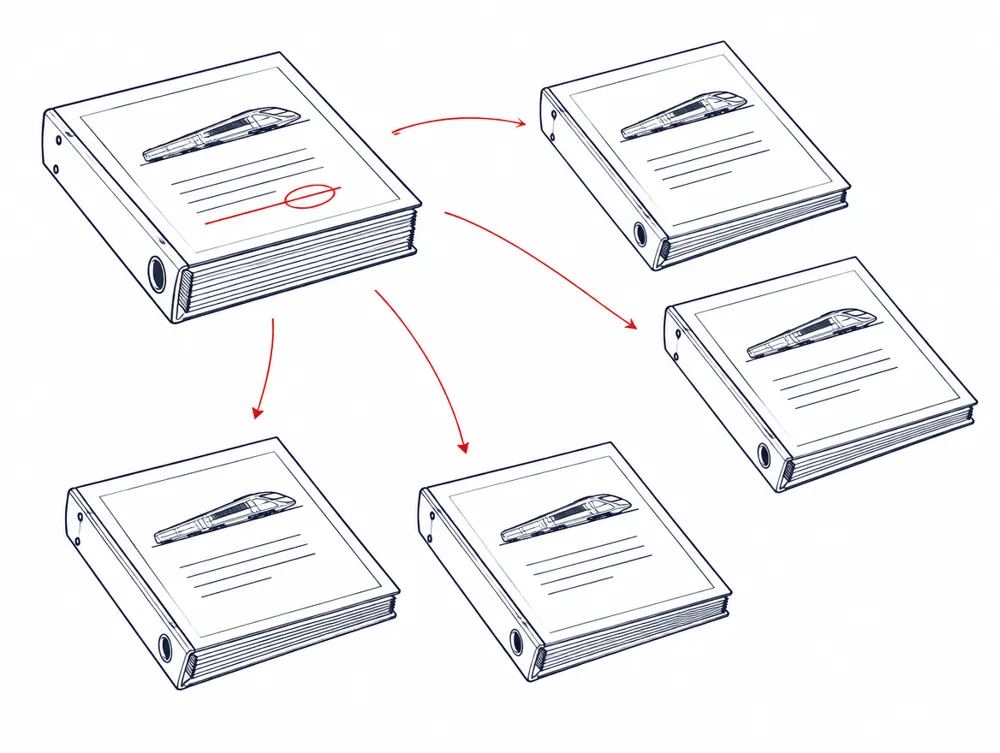
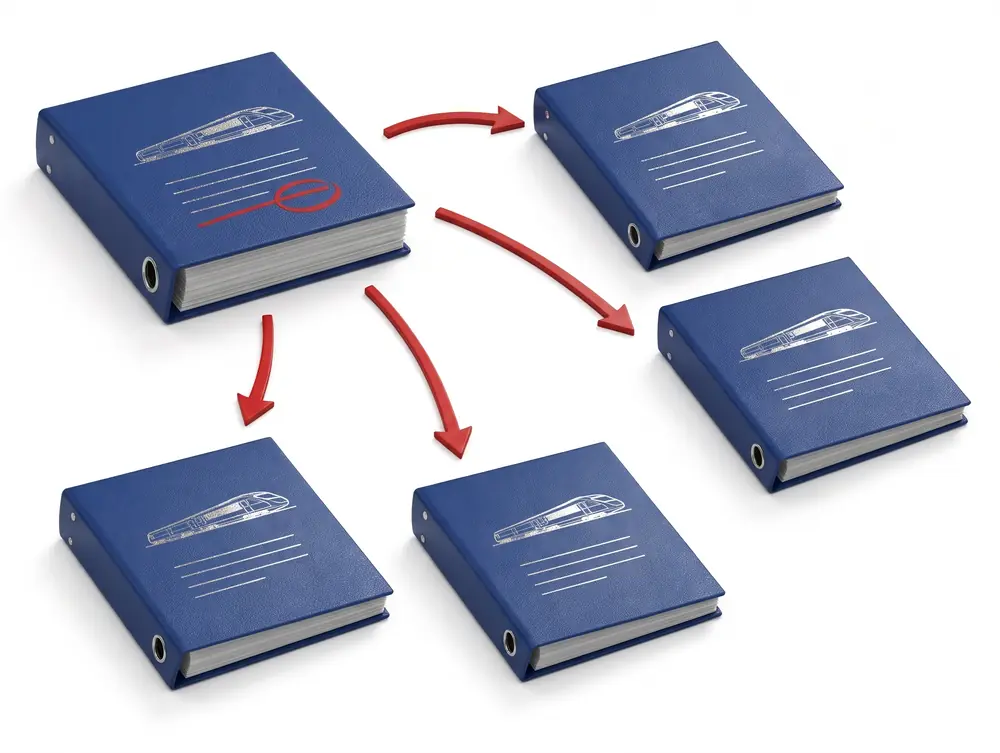
Each specific application starts as a copy of the generic application, and the copies drift apart.
RiskThe independent safety assessor finds hazards without a verified safety requirement.
With Smarter ProcessHazards, safety requirements and their SIL are linked in IBM Engineering Requirements Management DOORS Next, with a view of every hazard that is still open.
RiskThe safety case cites test results that no longer match the baseline.
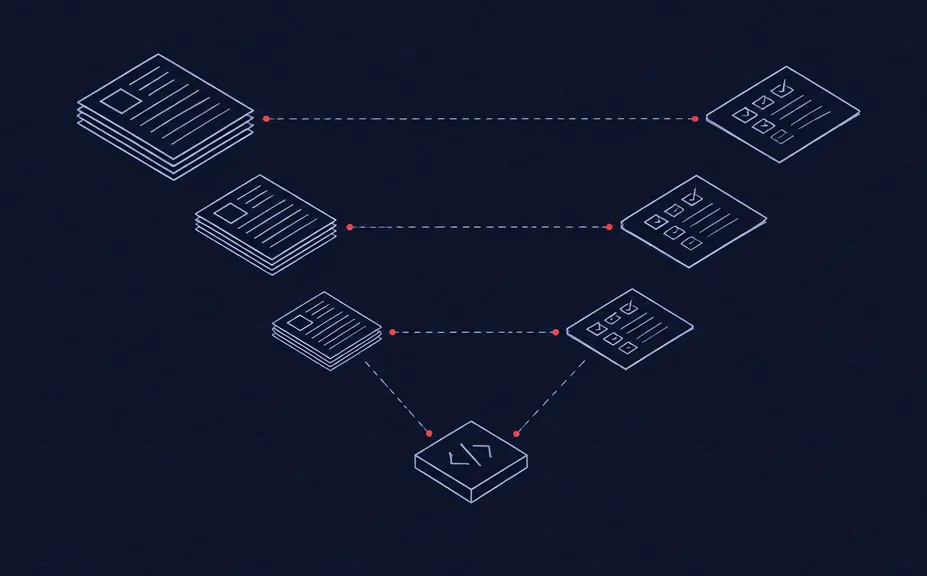
With Smarter ProcessTest cases and results in IBM Engineering Test Management are linked to requirements, and the safety case points to a frozen baseline.
RiskA fix in the generic application never reaches every project.
With Smarter ProcessGeneric and specific applications are configurations of the same items, so a change is delivered to each project and recorded.
Compliance map
EN 50126, EN 50716 and EN 50129, mapped to the toolchain
Pick a standard to see what it asks for, and where it lives in your toolchain once we have set it up.
EN 50126-1 · System life cycle
 IBM Engineering Requirements Management DOORS NextIBM Engineering Workflow Management
What it asks forA defined life cycle with outputs, verification and validation for every phase
How we cover itArtifact types for each phase output; review and approval records per phase gate
 IBM Engineering Requirements Management DOORS Next
 IBM Engineering Workflow Management
EN 50126-2 · Hazard log and safety requirements
IBM Engineering Requirements Management DOORS Next
What it asks forHazards identified and evaluated, with safety requirements and SIL allocated and tracked to closure
How we cover itHazard log module with risk and SIL attributes, linked to safety requirements and their verification
IBM Engineering Requirements Management DOORS NextEN 50716 · Software requirements and traceability
IBM Engineering Requirements Management DOORS NextIBM Engineering Test Management
What it asks forSoftware requirements traced to system requirements, design, code and tests, with the depth of trace set by the SIL
How we cover itLink types from system to software requirements, design and tests; trace views and gap reports per SIL
IBM Engineering Requirements Management DOORS Next IBM Engineering Test Management
EN 50716 · Software verification and testing
IBM Engineering Test ManagementHCL DevOps Test
What it asks forTests specified, run and reported against requirements, with independence of roles matching the SIL
How we cover itTest plans, cases and results traced to requirements; reviews and approvals by role
IBM Engineering Test Management HCL DevOps Test
EN 50716 · Software configuration management
IBM Engineering Lifecycle Management Global Configuration ManagementIBM Engineering Workflow Management
What it asks forEvery item and version identified, changes controlled, and a baseline for each release
How we cover itGlobal configurations and baselines per release; change requests linked to the items they change
 IBM Engineering Lifecycle Management Global Configuration ManagementIBM Engineering Workflow Management
EN 50129 · Safety case
IBM Engineering Lifecycle Optimization – PublishingIBM Engineering Lifecycle Management Global Configuration Management
What it asks forA structured safety case with evidence of quality management, safety management and technical safety
How we cover itSafety case documents generated from linked hazards, requirements and test results in a frozen baseline
 IBM Engineering Lifecycle Optimization – PublishingIBM Engineering Lifecycle Management Global Configuration Management
CLC/TS 50701 · Zones, conduits and risk assessment
IBM Engineering Requirements Management DOORS NextIBM Engineering Test Management
What it asks forThe system split into zones and conduits, with a security risk assessment and security requirements
How we cover itZone, threat and security requirement types linked to the system design and to security tests
IBM Engineering Requirements Management DOORS NextIBM Engineering Test ManagementBook a 30-min compliance gap review
Compliance is achieved by your organization and confirmed by the independent safety assessor and the safety authority. Tools hold the evidence; we set them up so the evidence is complete and easy to show.
Capabilities
What your team can do on day one
Generic and specific applications as configurations
Keep the generic application as one stream and each specific application as its own configuration. Changes move between them item by item, and every safety case points to a frozen baseline.
- IBM Engineering Lifecycle Management Global Configuration Management
A hazard log that stays current
The hazard log is a module with risk and SIL attributes. Open hazards and missing links show up in a view the day they appear, not at the assessment.
- IBM Engineering Requirements Management DOORS Next
Verification traced to the SIL
Test cases and results link to the requirements they verify, with coverage per SIL in each baseline.
- IBM Engineering Test Management
- HCL DevOps Test
System architecture linked to requirements
SysML models of the train or signalling system link to requirements, so a design change shows what to verify again.
- IBM Engineering Systems Design Rhapsody

Exchange with operators and suppliers
Specifications go out and come back through Requirements Interchange Format (ReqIF), compared with the previous delivery.
- IBM Engineering Requirements Management DOORS Next
Safety case documents from live data
Verification reports, trace matrices and safety case sections are generated from the tools, in your own document templates.
- IBM Engineering Lifecycle Optimization – Publishing
- IBM Engineering Test Management
See every product we implement and support
IBM Engineering Lifecycle Management, HCL and GitLab: licences, set-up, training and support from one team.
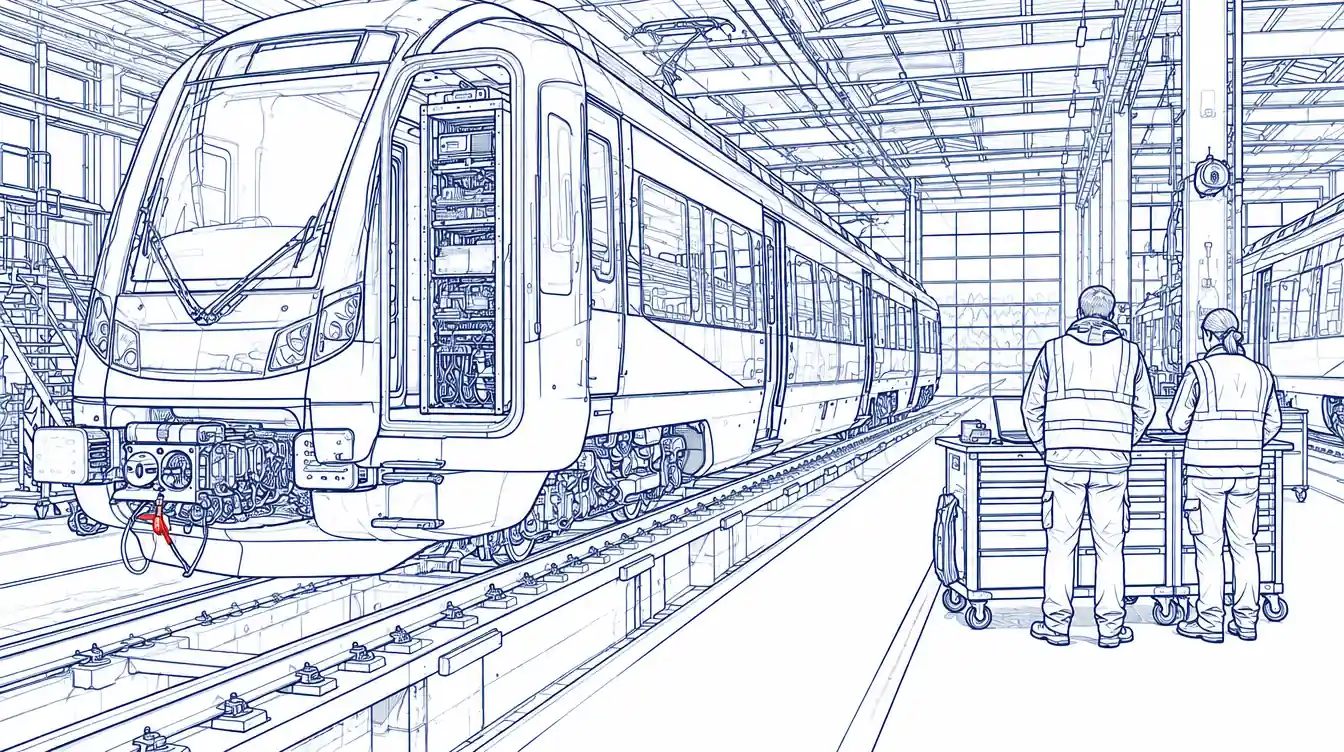
All products →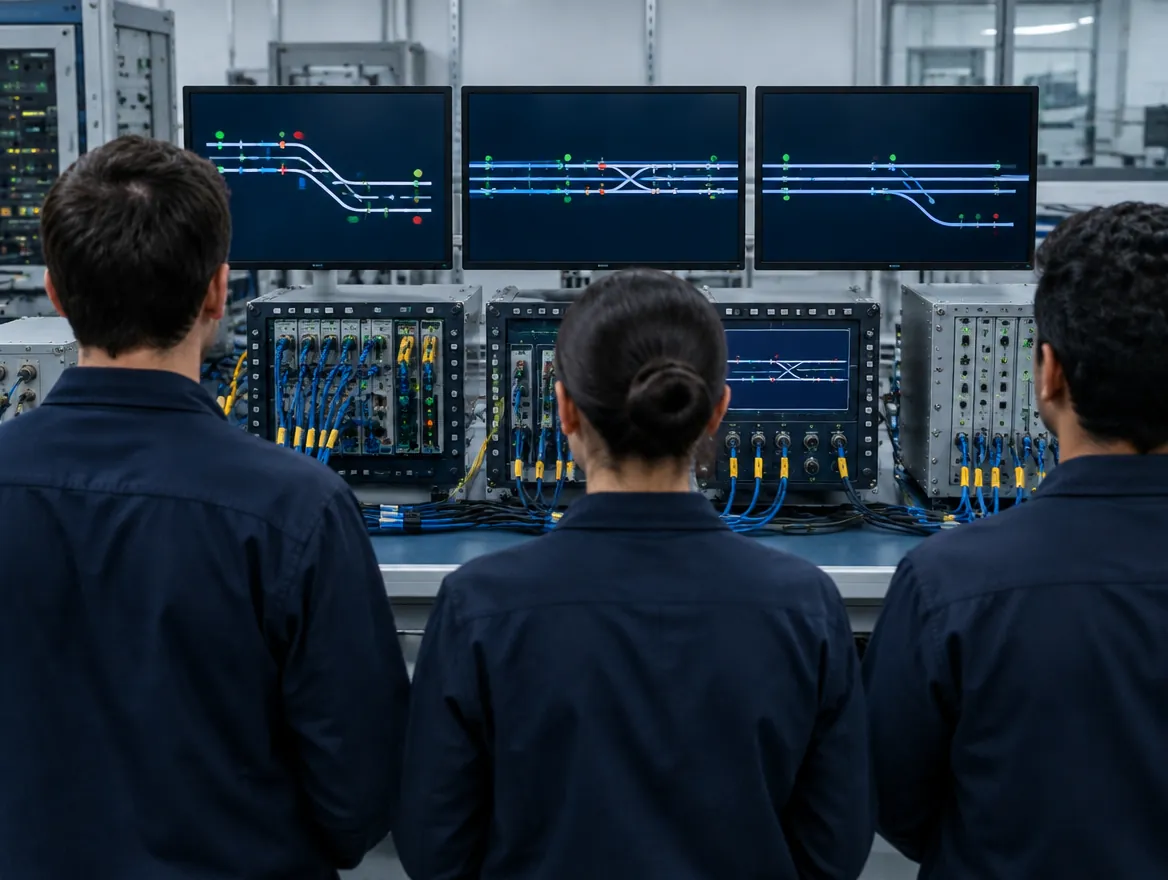 Rail depot, train equipment bay
Customer references
Engineering teams in rail transport
We work with engineering teams at Caltrain and voestalpine on requirements management in IBM Engineering Lifecycle Management.
Hazardslinked to safety requirements and tests
Tracefrom operator requirement to test
Baselinesfor every issue of the safety case



FAQ
Questions railway teams ask us
How are IBM Engineering Requirements Management DOORS Next and IBM Engineering Test Management classified as support tools under EN 50716?
It depends on how you use them. EN 50716 puts support tools into classes T1, T2 or T3 by how their output can affect the software. Requirements and test management tools do not generate executable code, so they are not T3. Uses where you rely on a tool output for verification, such as trace or coverage reports, are usually treated as T2. We list each use, agree the class with your assessor and prepare the justification and evidence that class requires.
How do we exchange specifications with operators, main contractors and suppliers?
Through ReqIF, agreed per partner. We set up an exchange definition for each partner: which modules and attributes go out, which come back and who may edit them. Their answers are imported next to the previous delivery, so you see what changed before you accept it. Status and comments from suppliers stay on the same requirements and links, and nothing is copied into a separate document. Where a partner only works in documents, we generate them from the same data.
How do we manage generic and specific applications without copying the specification for every line?
With configurations instead of copies. The generic application is one stream with its own baselines and safety evidence. Each specific application is a configuration that reuses the generic items and adds its own data and parameters. When the generic application changes, IBM Engineering Lifecycle Management Global Configuration Management shows which projects use the old version, and each project takes the change on purpose, with a record for its own safety case.
Our projects are on IBM Engineering Requirements Management DOORS (9.x). How do we move without losing the baselines in our safety cases?
Project by project, not all at once. Projects close to an assessment often stay on IBM Engineering Requirements Management DOORS (9.x) until their next baseline, while new projects start in IBM Engineering Requirements Management DOORS Next. When a project moves, modules, attributes and links move with their original IDs, and each baseline cited in a safety case is kept, so earlier evidence stays reproducible. DXL scripts are inventoried first and most are replaced by configuration or views.
Our software teams use Atlassian Jira and GitLab. Do they have to move to other tools?
No. Safety requirements, hazards and verification stay in IBM Engineering Lifecycle Management, where the assessor needs them. Development work stays in Atlassian Jira and code in GitLab. We link work items and merge requests to the requirements they implement, through OSLC-based integrations or a synchronization we configure for your process. The trace from hazard to code is then complete, and developers keep working in the tools they already use.
How does CLC/TS 50701 cybersecurity work alongside the EN 50126 hazard log?
In the same project, with separate artifact types and link rules. Zones, conduits, threats and security requirements link to the same system functions, subsystem requirements and tests as hazards and safety requirements. One change then triggers both safety and security impact analysis. Where a security measure affects a safety function, the link is explicit, so the assessor sees both sides of the decision in one place.
New · SmarterWidgets 2.0
Ready-made widgets for IBM DOORS Next
Add them to the ELM Mini Dashboard and hand repetitive requirements work over to them. Each one previews its changes first.
Browse all widgets- Content qualityClean text and glossary linksStyle Cleaner, Link Checker and more
- Links and traceabilityFix, move and inspect linksLink Remover, Module To Base Links and more
- Module structureBuild and repair module hierarchyModule Fill, Module Explorer 2.0 and more
- Configuration and governanceBaselines, data models and auditsBaseline Archiver, Compare Data Models and more
- Reporting and publishingCharts, maps and publishingPublishing URLs, Module Insights and more
- See all widgetsScreenshots and details for every widget


Watch and learn
Our Videos
Demos, tutorials and customer stories on requirements, traceability and test.