Home · Solutions · Government & Public Sector
Solutions · Government & Public Sector
Public sector IT projects with audit‑ready requirements
NIS2 and ISO/IEC 27001 evidence from one connected IBM Engineering Lifecycle Management toolchain, with every tender requirement traced to acceptance, set up by consultants who work with public sector teams.
Government & Public Sector
The government and public sector
Public services now run on software
The sector covers ministries, central and regional administration, tax and customs services, social security and health payers, and the public IT centers and contractors that build and run their systems. Systems are bought through public tenders, run for many years and change when the law changes.
More and more of what citizens and businesses experience from the state is defined in software. Every requirement in a tender has to be delivered, tested and accepted, and the authority has to be able to show it to auditors years later.
 Shift
NIS2 and the national cybersecurity act
Public entities and their suppliers come under NIS2 and the Polish act on the national cybersecurity system (KSC), with risk management and incident reporting duties.
 Shift
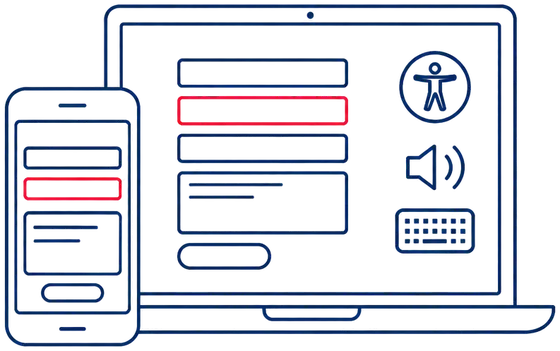
Accessibility by law
Public websites and applications must meet EN 301 549, so accessibility becomes a requirement to specify and test, not a late fix.
 Shift
AI in public services
Classification, fraud detection and assistant tools bring EU AI Act duties on documentation, transparency and human oversight.
 Shift
Larger, longer contracts
Multi-year contracts with several suppliers mean requirements change by amendment, and each change has to be traced to the contract.
Engineering challenges
What this means for software and systems engineering
Tender requirements to acceptance
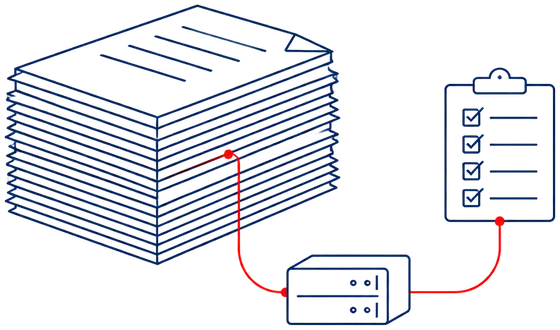
Every requirement in the description of the contract (OPZ) has to be delivered and accepted, with evidence the contracting authority can audit.
Authority and contractors
Specifications move between the authority, contractors and subcontractors in Requirements Interchange Format (ReqIF), documents or spreadsheets, with different tools on each side.
Security of systems and data
NIS2, KSC and ISO/IEC 27001 controls have to be specified as requirements and verified, not kept in a separate security binder.
Change driven by law
New regulations change systems on fixed dates. Every legal change needs impact analysis across requirements, code and tests.
Audit years later
Audit offices and internal auditors ask what was ordered, what was delivered and who accepted it, often long after the project ended.
Public infrastructure
Systems run in government data centers with strict access control, so the engineering toolchain has to run there too.
What auditors expect
Where public sector teams lose time before acceptance
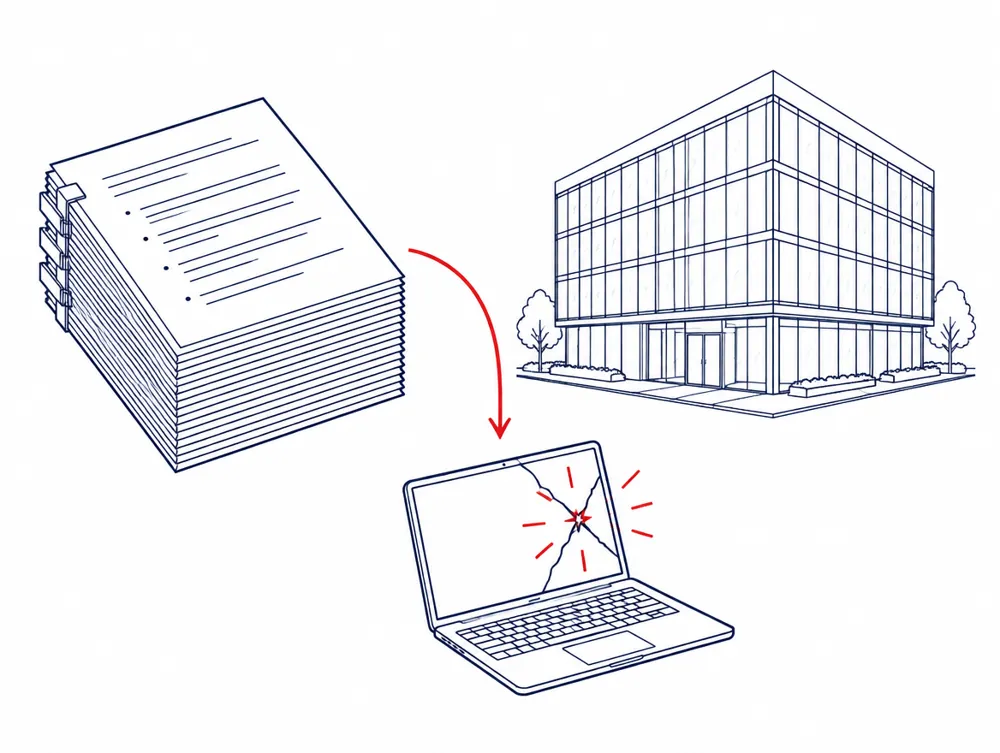
The OPZ is a document. After award, requirements are typed again into the contractor's tools, and amendments change annexes that nobody links back.
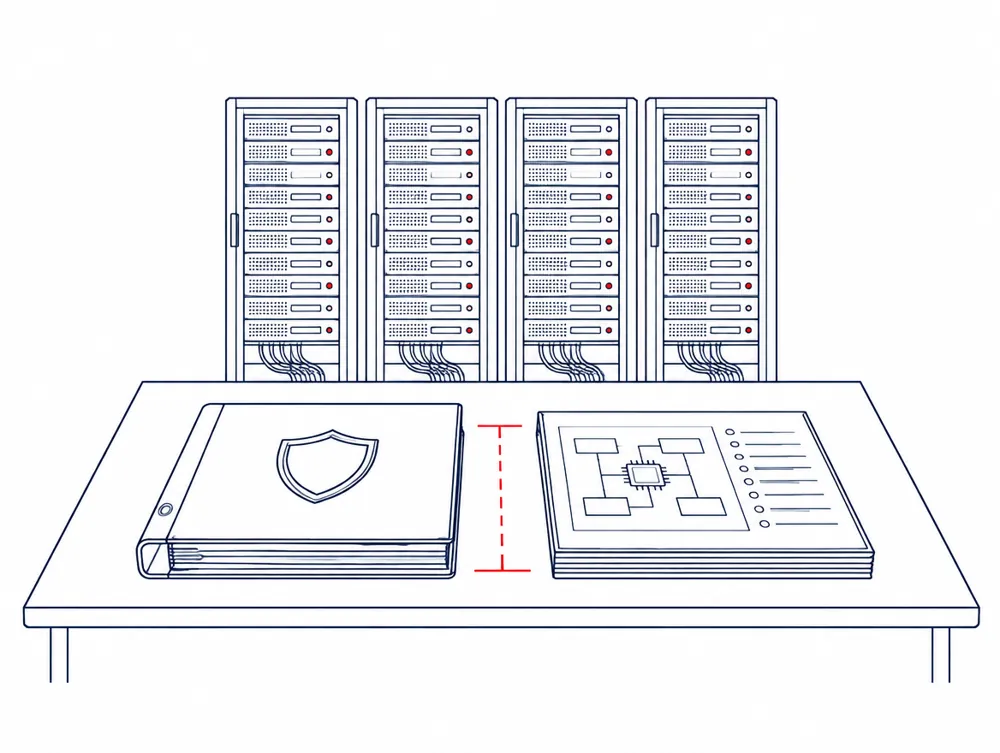
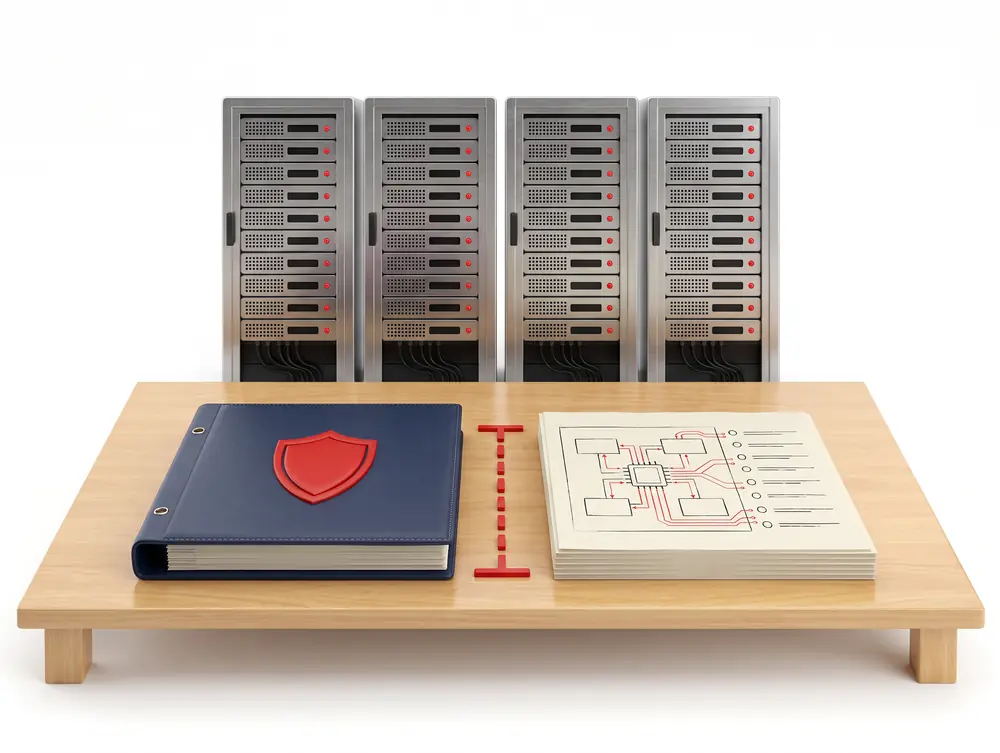
NIS2, KSC and ISO/IEC 27001 controls are kept in the security team's documents, not in the specification the contractor builds from.
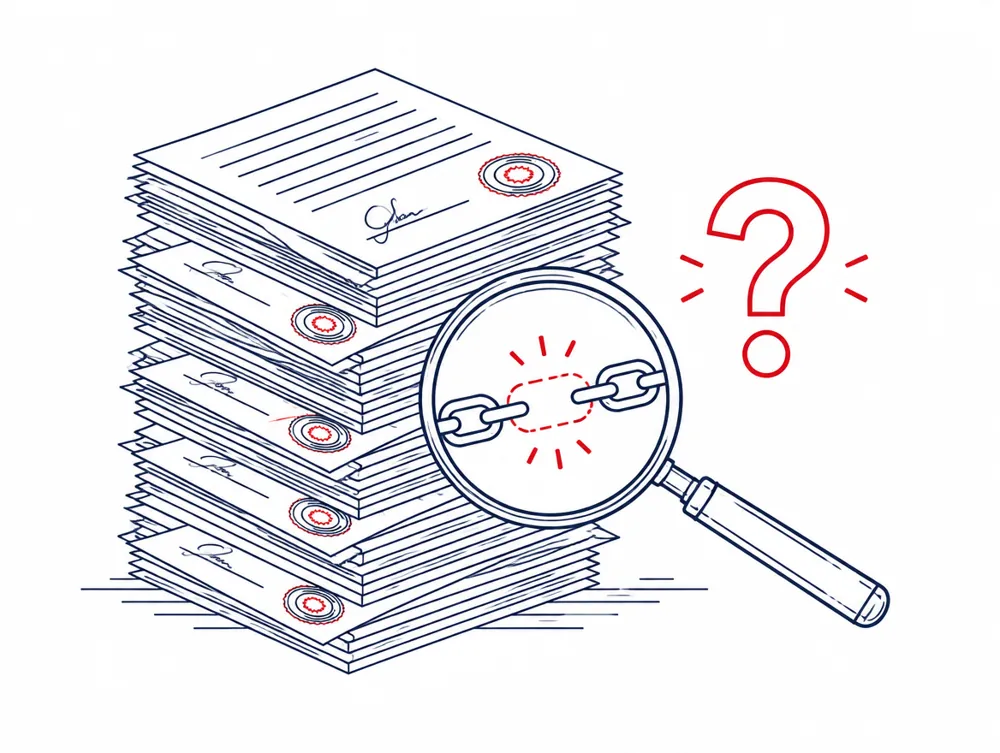
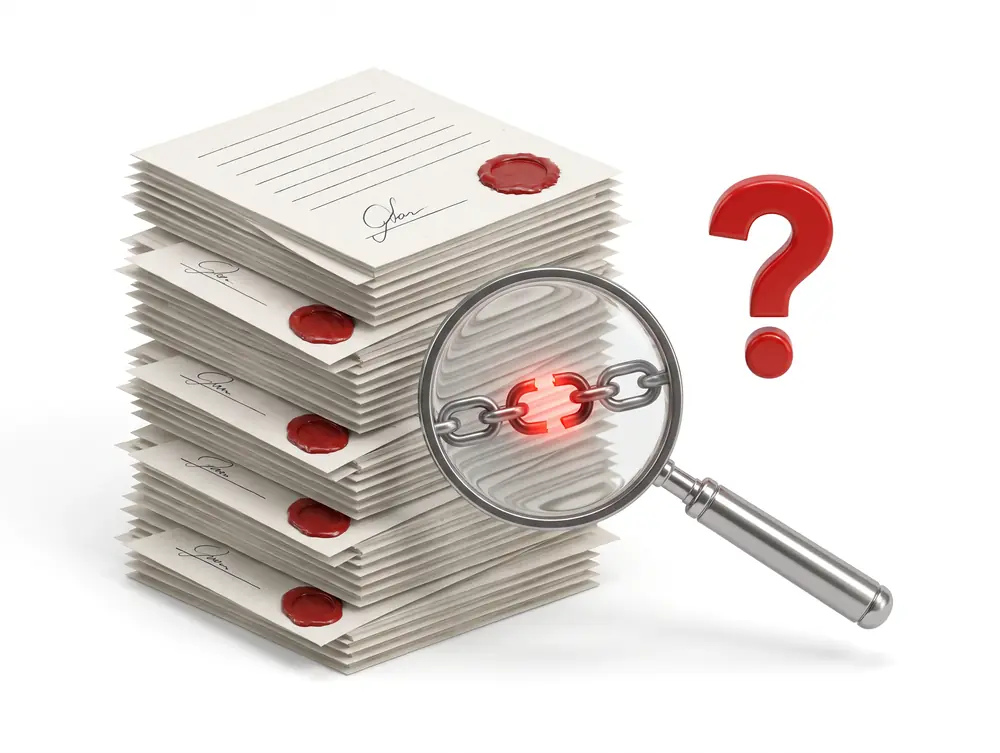
Acceptance protocols list delivered functions, but not which test covered which requirement. Before acceptance the team builds a trace matrix by hand.
RiskA requirement from the tender is never delivered, and the gap shows up at acceptance or in an audit.
With Smarter ProcessTender and contract requirements are imported into IBM Engineering Requirements Management DOORS Next with their original numbering and linked to system requirements. Amendments are tracked as changes.
RiskControls are not built or not tested, and the security audit finds it before the regulator does.
With Smarter ProcessSecurity requirements derived from NIS2, KSC and ISO/IEC 27001 controls sit in the same project as system requirements and link to build items and tests.
RiskThe contracting authority accepts without proof, or delays acceptance and payment.
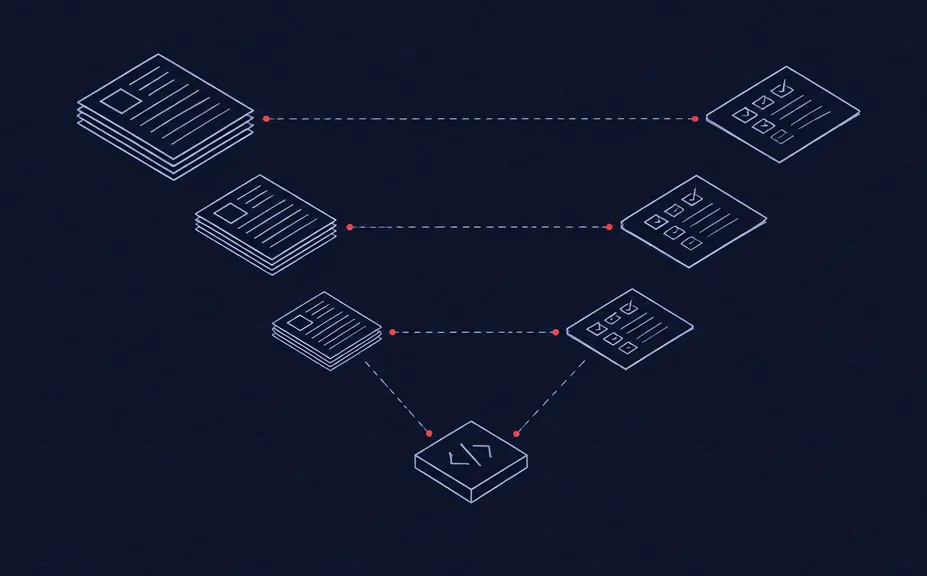
With Smarter ProcessTest results in IBM Engineering Test Management are traced to each contract requirement, and the acceptance report is generated from a baseline.
Compliance map
NIS2, ISO/IEC 27001 and EN 301 549, mapped to the toolchain
Pick a standard to see what it asks for, and where it lives in your toolchain once we have set it up.
NIS2 · Article 21
 IBM Engineering Requirements Management DOORS NextIBM Engineering Test Management
What it asks forCybersecurity risk management measures, including security in the acquisition, development and maintenance of systems
How we cover itSecurity requirements from the risk analysis linked to system requirements, changes and tests
 IBM Engineering Requirements Management DOORS Next
 IBM Engineering Test Management
NIS2 · Article 21(2)(d)
IBM Engineering Requirements Management DOORS NextIBM Engineering Lifecycle Management Global Configuration Management
What it asks forSecurity of the supply chain, including requirements placed on direct suppliers
How we cover itSupplier requirement sets exchanged through ReqIF, with supplier answers compared against the contract baseline
IBM Engineering Requirements Management DOORS Next IBM Engineering Lifecycle Management Global Configuration Management
ISO/IEC 27001:2022 · Annex A 8.25–8.29
IBM Engineering Requirements Management DOORS NextGitLabIBM Engineering Test Management
What it asks forA secure development life cycle with security requirements specified, implemented and tested
How we cover itSecurity requirement type with link rules to design, GitLab merge requests and security tests
IBM Engineering Requirements Management DOORS Next GitLabIBM Engineering Test Management
ISO/IEC 27001:2022 · Annex A 8.32
IBM Engineering Workflow ManagementIBM Engineering Lifecycle Management Global Configuration Management
What it asks forChanges to information systems controlled, approved and recorded
How we cover itChange requests linked to the requirements and baselines they change, with approval workflow
 IBM Engineering Workflow ManagementIBM Engineering Lifecycle Management Global Configuration Management
EN 301 549 · Clauses 9 to 11
IBM Engineering Requirements Management DOORS NextIBM Engineering Test Management
What it asks forAccessibility requirements for web content, documents and software, verified before delivery
How we cover itEN 301 549 requirement catalogue reused across projects; accessibility test cases linked to each criterion
IBM Engineering Requirements Management DOORS NextIBM Engineering Test ManagementPzp · Description of the contract (OPZ)
IBM Engineering Requirements Management DOORS NextIBM Engineering Test Management
What it asks forContract requirements described clearly and delivered as specified in the contract
How we cover itOPZ and contract annexes imported with original numbering, linked to system requirements and acceptance tests
IBM Engineering Requirements Management DOORS NextIBM Engineering Test ManagementPzp · Contract amendments
IBM Engineering Workflow ManagementIBM Engineering Lifecycle Management Global Configuration Management
What it asks forChanges to a public contract documented and justified within the limits the law allows
How we cover itAmendments recorded as change requests linked to the contract requirements they affect, with a baseline per amendment
IBM Engineering Workflow ManagementIBM Engineering Lifecycle Management Global Configuration ManagementEU AI Act · Article 11 and Annex IV
IBM Engineering Requirements Management DOORS NextIBM Engineering Test ManagementIBM Engineering Lifecycle Optimization – Publishing
What it asks forTechnical documentation for high-risk AI systems, kept up to date, with requirements, data and testing described
How we cover itAI system requirements, data sources and evaluation results linked and published from a baseline
IBM Engineering Requirements Management DOORS NextIBM Engineering Test Management IBM Engineering Lifecycle Optimization – Publishing
Book a 30-min compliance gap review
Compliance is achieved by your organization and confirmed by your auditors and supervisory authorities. Tools hold the evidence; we set them up so the evidence is complete and easy to show.
Capabilities
What your team can do on day one
Baselines for every contract stage
Freeze a configuration at tender, contract signature, each amendment and acceptance, and compare them item by item. Auditors see what was ordered and what changed.
- IBM Engineering Lifecycle Management Global Configuration Management
Tender requirements with their numbers
OPZ requirements keep their original numbering and status, so you can show coverage per tender item at any time.
- IBM Engineering Requirements Management DOORS Next
Security controls as requirements
NIS2, KSC and ISO/IEC 27001 controls become requirements linked to system design and tests.
- IBM Engineering Requirements Management DOORS Next
- IBM Engineering Test Management
Acceptance tests traced to the contract
Acceptance test cases and results link to contract requirements, so acceptance protocols come with evidence.
- IBM Engineering Test Management
Contractors keep their tools
Work items and merge requests from contractor teams link back to the requirements they implement.
- IBM Engineering Workflow Management
- GitLab
Documents for auditors from live data
Specifications, trace matrices and acceptance reports are generated in your own templates, in Polish or English.
- IBM Engineering Lifecycle Optimization – Publishing
See every product we implement and support
IBM Engineering Lifecycle Management, HCL and GitLab: licences, set-up, training and support from one team.
All products →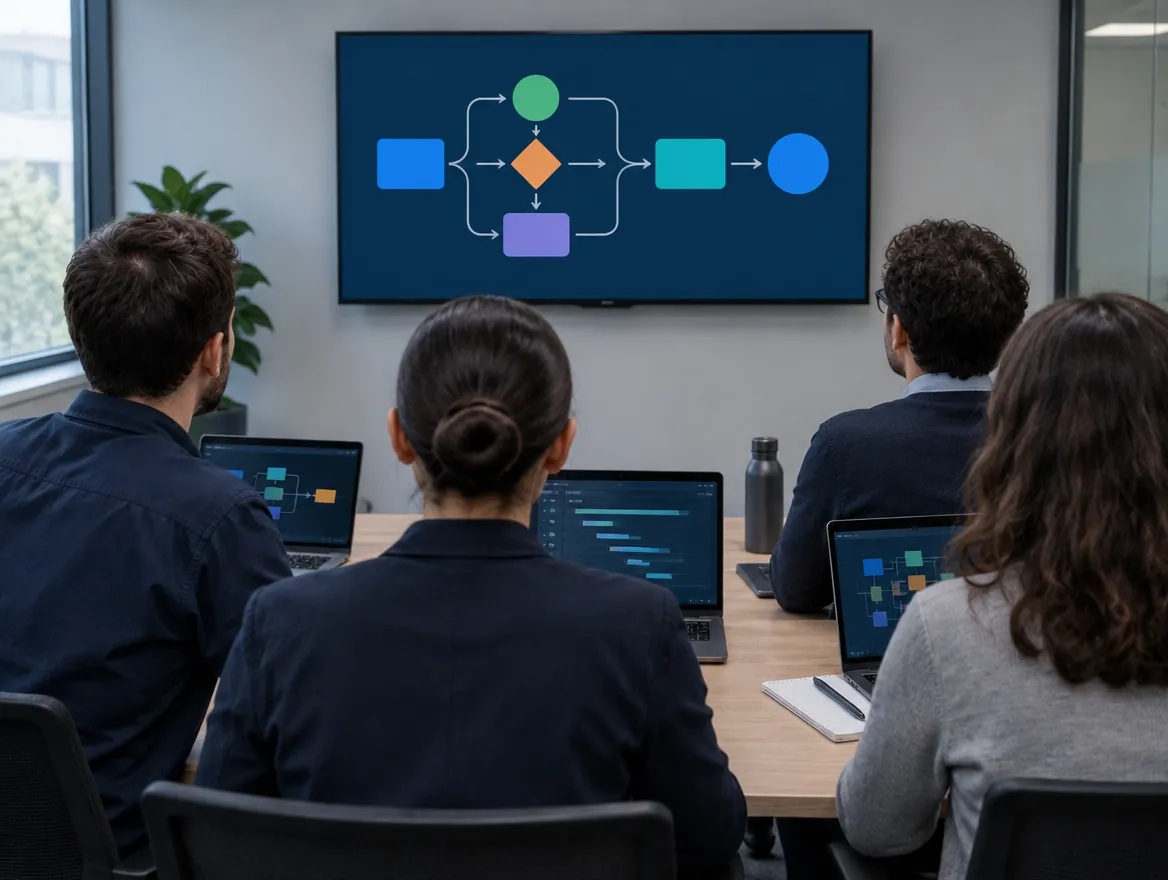 Government IT operations room
Customer references
Engineering teams in central government
We work with IT teams at the Polish Ministry of Finance on requirements and verification in IBM Engineering Lifecycle Management.
Requirementstraced from tender to acceptance
Securitycontrols linked to tests
On-premisein government data centers

Learn more
Training, articles and services


FAQ
Questions public sector teams ask us
Does the toolchain itself fall under our NIS2 and ISO/IEC 27001 controls?
Yes, because it holds specifications of systems you are responsible for. IBM Engineering Lifecycle Management runs on your own servers, with no internet connection required. We set up access control per project and contractor, single sign-on with your directory, audit logging and a patching routine, and document the configuration for your information security management system. The toolchain then becomes one more asset in your ISO/IEC 27001 scope, with controls you can show to the auditor.
How do we bring an OPZ written in Word into the tool and keep its numbering?
We import the document into IBM Engineering Requirements Management DOORS Next so each numbered paragraph becomes a requirement with its original number as an attribute. Headings and explanatory text stay as context, not as requirements. The imported version is saved as a baseline, so you can always show the text the contractor bid on. Clarifications and amendments are then made as tracked changes against that baseline, not as new documents.
How do we exchange requirements with contractors who use other tools?
Through ReqIF where the contractor's tool supports it, and through structured spreadsheets where it does not. Each contractor gets only the modules and attributes for its lot. Their status and comments come back into the same requirements, compared with the previous delivery, so you see what changed before you accept it. For larger contracts we can also give contractors controlled access to a separate project area.
How do we handle contract amendments and several releases in parallel?
With baselines and streams in IBM Engineering Lifecycle Management Global Configuration Management. The signed contract is one baseline, each amendment another, and each release under development a stream. A change from a new law is made once and delivered to the releases it applies to. Compare views show auditors exactly what an amendment changed, item by item, and acceptance reports are generated from the baseline that was accepted.
Our department has years of specifications in IBM Engineering Requirements Management DOORS (9.x). How do we move?
Step by step. We inventory modules, attributes, link types and DXL scripts first. Modules move with their original IDs and links, and specifications of systems already accepted are kept as baselines in IBM Engineering Requirements Management DOORS Next, so earlier acceptance evidence stays reproducible. Most DXL scripts become configuration, views or attribute rules. Projects in the middle of acceptance can stay on IBM Engineering Requirements Management DOORS (9.x) until they close.
Our contractors work in Atlassian Jira and GitLab. How does that fit?
Contractors keep their tools. Atlassian Jira issues and GitLab merge requests link to the contract and system requirements they implement, through OSLC links or a synchronization we configure. You see in IBM Engineering Requirements Management DOORS Next which requirements have work in progress, which are delivered and which are tested, without asking for weekly spreadsheets. Your contract can require these links as a condition for acceptance.
New · SmarterWidgets 2.0
Ready-made widgets for IBM DOORS Next
Add them to the ELM Mini Dashboard and hand repetitive requirements work over to them. Each one previews its changes first.
Browse all widgets- Content qualityClean text and glossary linksStyle Cleaner, Link Checker and more
- Links and traceabilityFix, move and inspect linksLink Remover, Module To Base Links and more
- Module structureBuild and repair module hierarchyModule Fill, Module Explorer 2.0 and more
- Configuration and governanceBaselines, data models and auditsBaseline Archiver, Compare Data Models and more
- Reporting and publishingCharts, maps and publishingPublishing URLs, Module Insights and more
- See all widgetsScreenshots and details for every widget


Watch and learn
Our Videos
Demos, tutorials and customer stories on requirements, traceability and test.