Home · Solutions · Energy & Utilities
Solutions · Energy & Utilities
Energy and utility systems with assessment‑ready safety and security evidence
IEC 61508 and IEC 62443 evidence from one connected IBM Engineering Lifecycle Management toolchain, set up by consultants who work with energy and utility engineering teams.
Energy & Utilities
The energy and utilities sector
Power plants and grids are run by software
The sector covers power generation, transmission and distribution operators, water and gas utilities, and the suppliers behind them: control system and protection vendors, makers of turbines, converters and switchgear, and engineering contractors. Plants and networks run for decades and are overseen by safety regulators and national authorities.
More and more of what a plant or a grid does is defined in control software and connected devices. Every safety function and every remote access path has to be specified, verified and kept under change control for the life of the asset.
 Shift
Renewables and storage
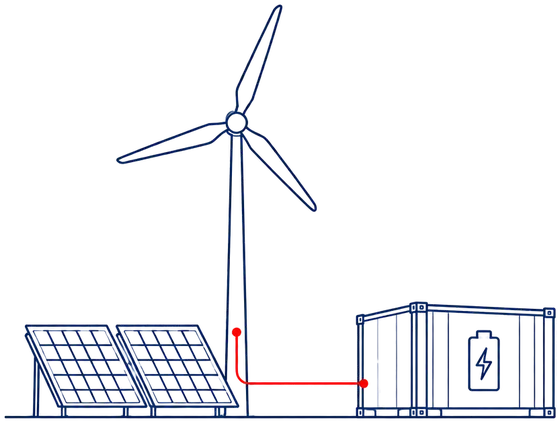
Wind, solar and battery plants add many more control systems, each with its own vendor, protection settings and software updates.
 Shift
Digital protection and control
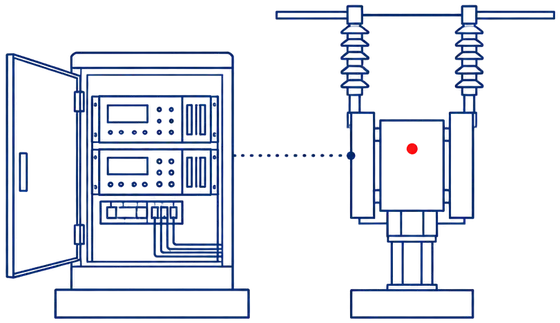
Hard-wired logic gives way to networked devices, so plant behavior lives in configuration and software that needs requirements and tests.
 Shift
OT security under regulation
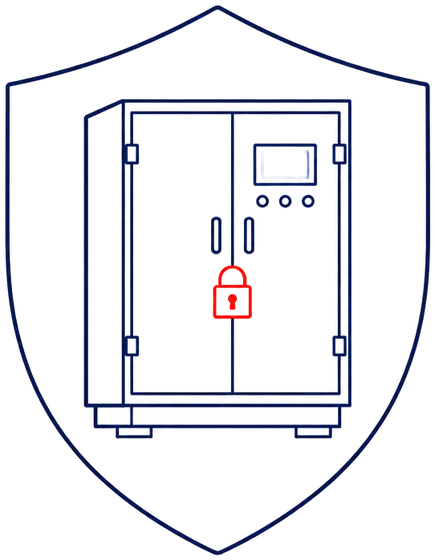
NIS2 in Europe and NERC CIP in North America make cybersecurity of control systems a legal duty, checked in audits.
 Shift
Remote operation
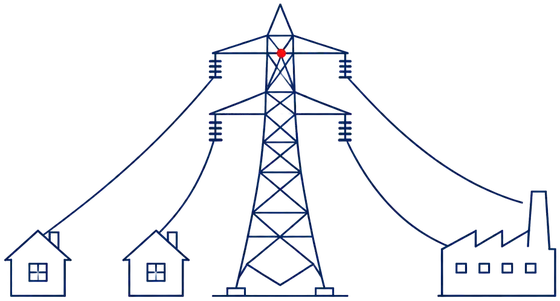
Plants are dispatched, monitored and updated remotely, which ties safety functions to networks and to IT systems.
Engineering challenges
What this means for software and systems engineering
Functional safety across the life cycle
IEC 61508 and IEC 61511 ask for a safety requirements specification, verification and proof testing, from design to decommissioning.
Safety and security together
IEC 62443 security levels and IEC 61511 safety integrity levels apply to the same control system and must not contradict each other.
Owners, contractors and vendors
Operators write specifications, engineering contractors design and vendors deliver systems, each in its own tool.
Assets that run for decades
Plants and networks stay in service for decades. Every modification, replacement and software update needs the same trace as the original design.
Controlled access to plant data
Control system designs, network diagrams and vulnerability data are sensitive and often stay on internal networks, with access per project.
Many sites, one standard design
A fleet of plants or substations shares a standard design with site-specific changes that must stay traceable.
What assessors and auditors expect
Where energy and utility teams lose time before an assessment
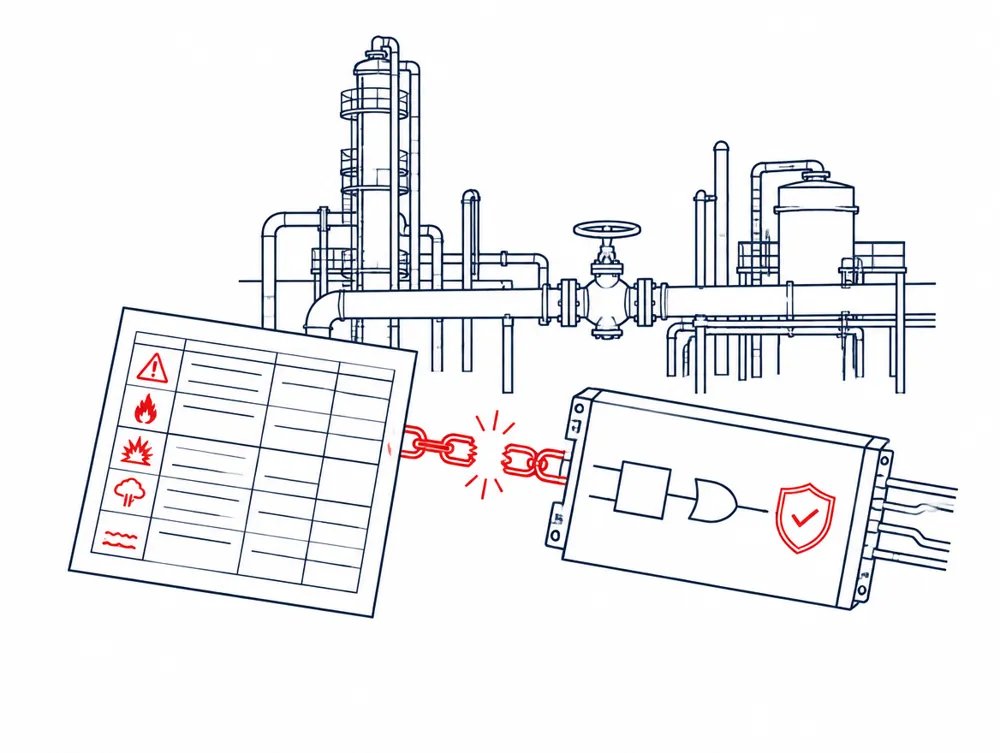
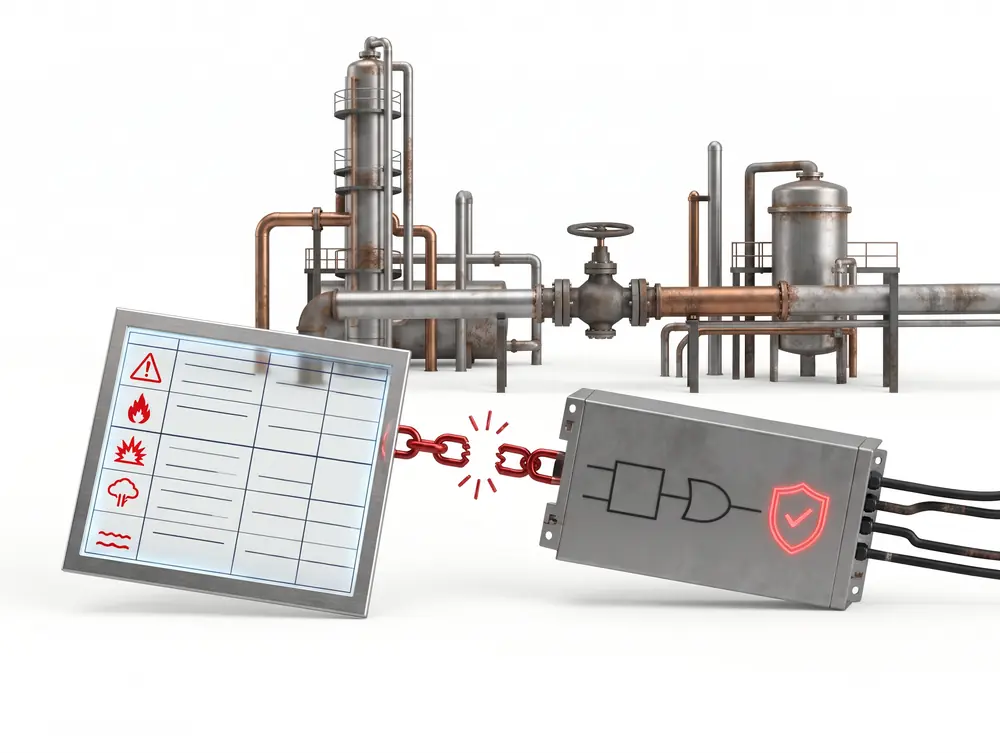
HAZOP and LOPA results live in spreadsheets. The safety requirements specification is written from a copy that is not updated after the next review.
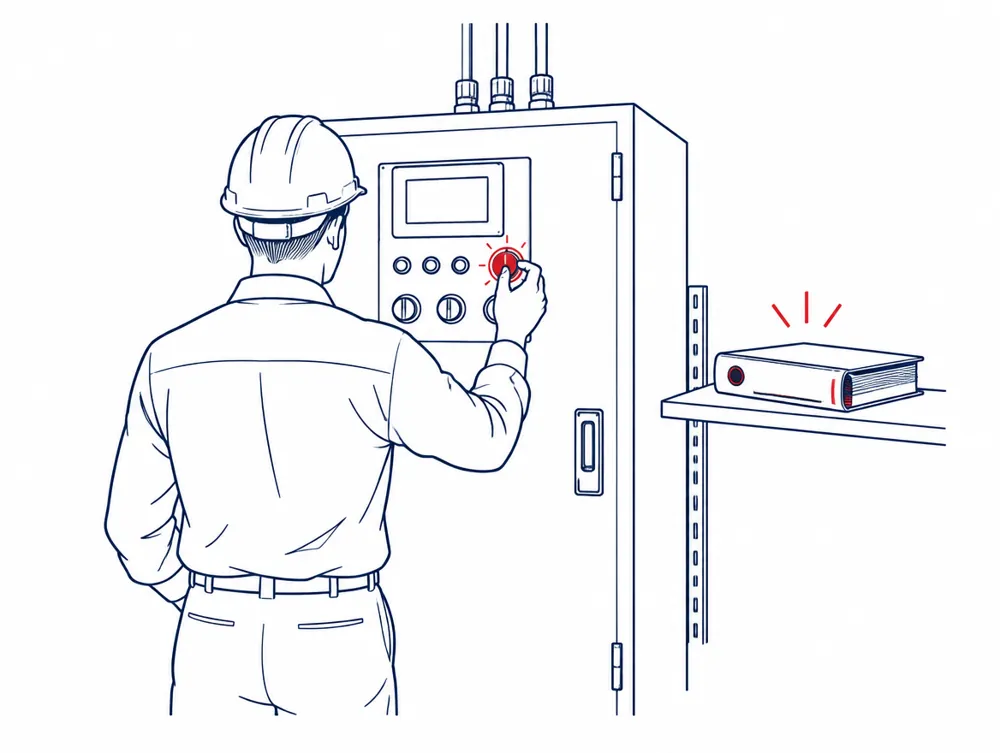
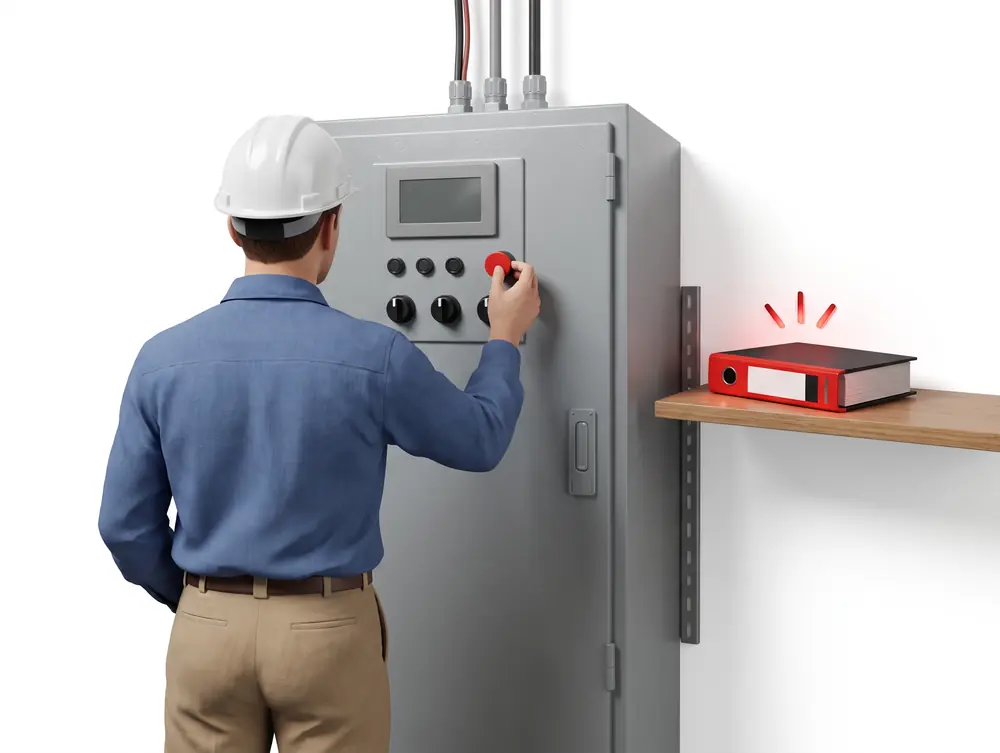
Setpoints and logic are changed in the controller during a plant modification. The safety requirements specification is updated later, or not at all.
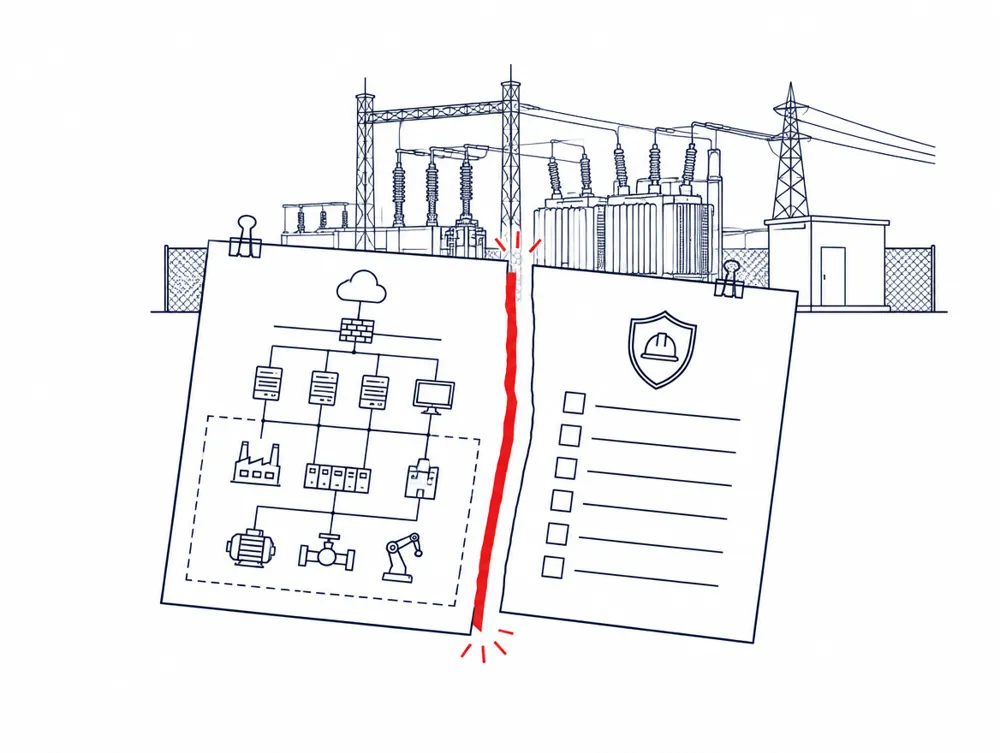
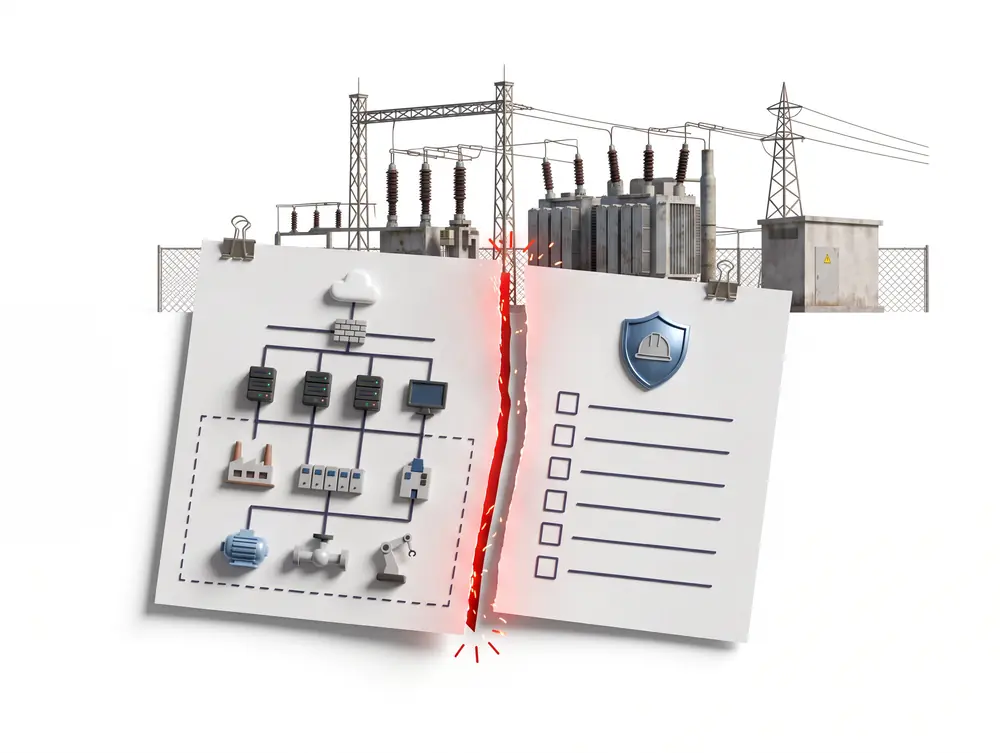
IEC 62443 zones and target security levels are worked out by another team, in another tool, with no link to the safety requirements.
RiskThe functional safety assessment finds safety functions with no link to the hazard they reduce, or a SIL that no longer matches.
With Smarter ProcessHazards, safety functions with their SIL and safety requirements are linked, and a change to the hazard analysis marks the affected items as suspect.
RiskThe as-built safety system no longer matches its specification, and the modification cannot be justified in an audit.
With Smarter ProcessEvery modification is a change request with impact analysis, linked to the safety requirements and tests it touches, approved before it reaches the plant.
RiskA patch or a new remote access path is never checked against the safety functions it can affect.
With Smarter ProcessZones, conduits and security requirements link to the same safety requirements specification, so one impact analysis covers safety and security.
Compliance map
IEC 61508, IEC 61511 and IEC 62443, mapped to the toolchain
Pick a standard to see what it asks for, and where it lives in your toolchain once we have set it up.
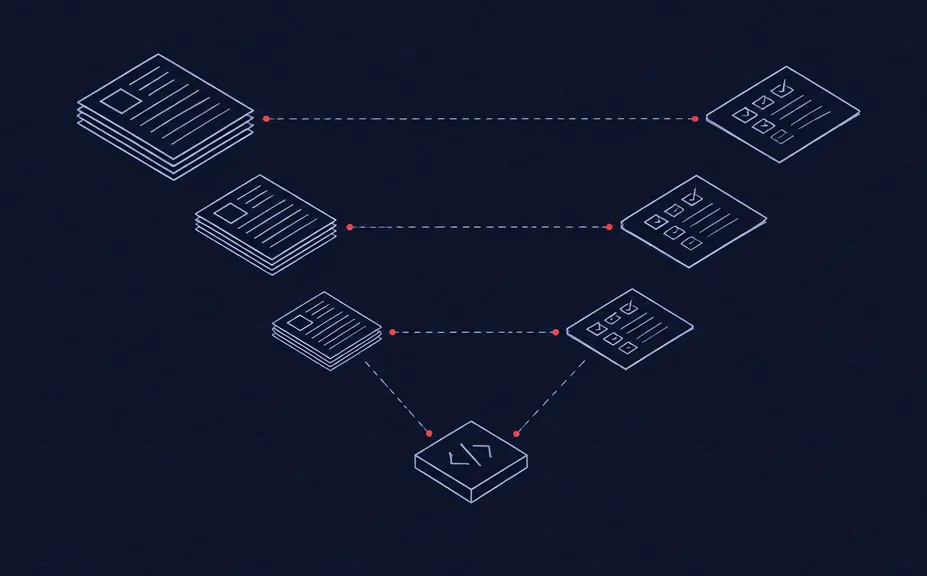
IEC 61508-1 · Safety requirements specification
 IBM Engineering Requirements Management DOORS Next
What it asks forSafety functions and their safety integrity requirements, specified and allocated to E/E/PE systems
How we cover itSafety function and safety requirement modules with SIL attributes; allocation links to systems
 IBM Engineering Requirements Management DOORS Next
IEC 61508-3 · Software safety requirements and verification
IBM Engineering Requirements Management DOORS NextIBM Engineering Test Management
What it asks forSoftware safety requirements traced to the system safety requirements, to design and to verification
How we cover itLinked modules for system and software safety requirements; trace views and suspect links
IBM Engineering Requirements Management DOORS Next IBM Engineering Test Management
IEC 61511-1 · Hazard and risk assessment to SRS
IBM Engineering Requirements Management DOORS Next
What it asks forHazard and risk assessment, allocation of safety functions with SIL, and the SIS safety requirements specification
How we cover itHazard, safety function and SRS modules linked, with SIL and demand mode as attributes
IBM Engineering Requirements Management DOORS NextIEC 61511-1 · Proof testing and modification
IBM Engineering Test ManagementIBM Engineering Workflow Management
What it asks forProof tests for every safety function, and impact analysis and approval before any modification
How we cover itProof test cases linked to each safety function; change requests with impact analysis and approval workflow
IBM Engineering Test Management IBM Engineering Workflow Management
IEC 62443-3-2 · Zones, conduits and risk assessment
IBM Engineering Requirements Management DOORS Next
What it asks forA security risk assessment per zone and conduit, with a target security level
How we cover itZone and conduit artifacts with SL-T attributes, linked to threats and to security requirements
IBM Engineering Requirements Management DOORS NextIEC 62443-4-1 · Secure development life cycle
IBM Engineering Requirements Management DOORS NextIBM Engineering Test Management
What it asks forSecurity requirements, secure design and security verification testing for products
How we cover itSecurity requirement types traced to design and to security tests, with review records
IBM Engineering Requirements Management DOORS NextIBM Engineering Test ManagementNIS2 · Article 21 risk management measures
IBM Engineering Requirements Management DOORS NextIBM Engineering Workflow Management
What it asks forRisk management, incident handling, supply chain security and vulnerability handling, documented and reviewed
How we cover itMeasures as requirements linked to controls, owners and evidence; review workflow per period
IBM Engineering Requirements Management DOORS NextIBM Engineering Workflow ManagementNERC CIP-010 · Configuration change management
IBM Engineering Lifecycle Management Global Configuration ManagementIBM Engineering Workflow Management
What it asks forBaseline configurations for BES Cyber Systems, and documented, tested changes
How we cover itBaselines per system; change records linked to the requirement and the test that verified it
 IBM Engineering Lifecycle Management Global Configuration ManagementIBM Engineering Workflow Management
Book a 30-min compliance gap review
Compliance is achieved by your organization and confirmed by your assessor, regulator or auditor. Tools hold the evidence; we set them up so the evidence is complete and easy to show.
Capabilities
What your team can do on day one
Baselines for every modification
Freeze a configuration for each plant modification or release and compare it with the next one, item by item. Assessors see exactly what changed and why.
- IBM Engineering Lifecycle Management Global Configuration Management
Hazard to proof test in one view
The trace from hazard to safety function, SRS, logic and proof test is a live view. Gaps show up the day they appear, not at the assessment.
- IBM Engineering Requirements Management DOORS Next
- IBM Engineering Test Management
Safety and security on the same items
IEC 62443 zones and security requirements link to the same requirements as safety functions, so one change triggers both impact analyses.
- IBM Engineering Requirements Management DOORS Next
Exchange with vendors and contractors
Specifications go to vendors and contractors through Requirements Interchange Format (ReqIF) and come back compared with the previous delivery.
- IBM Engineering Requirements Management DOORS Next
Management of change
Change requests carry the impact analysis, approvals and links to affected requirements and tests before a change reaches the plant.
- IBM Engineering Workflow Management
Assessment documents from live data
The SRS, verification reports and safety case input are generated from the tools, in your own document templates.
- IBM Engineering Lifecycle Optimization – Publishing
- IBM Engineering Test Management

See every product we implement and support
IBM Engineering Lifecycle Management, HCL and GitLab: licences, set-up, training and support from one team.
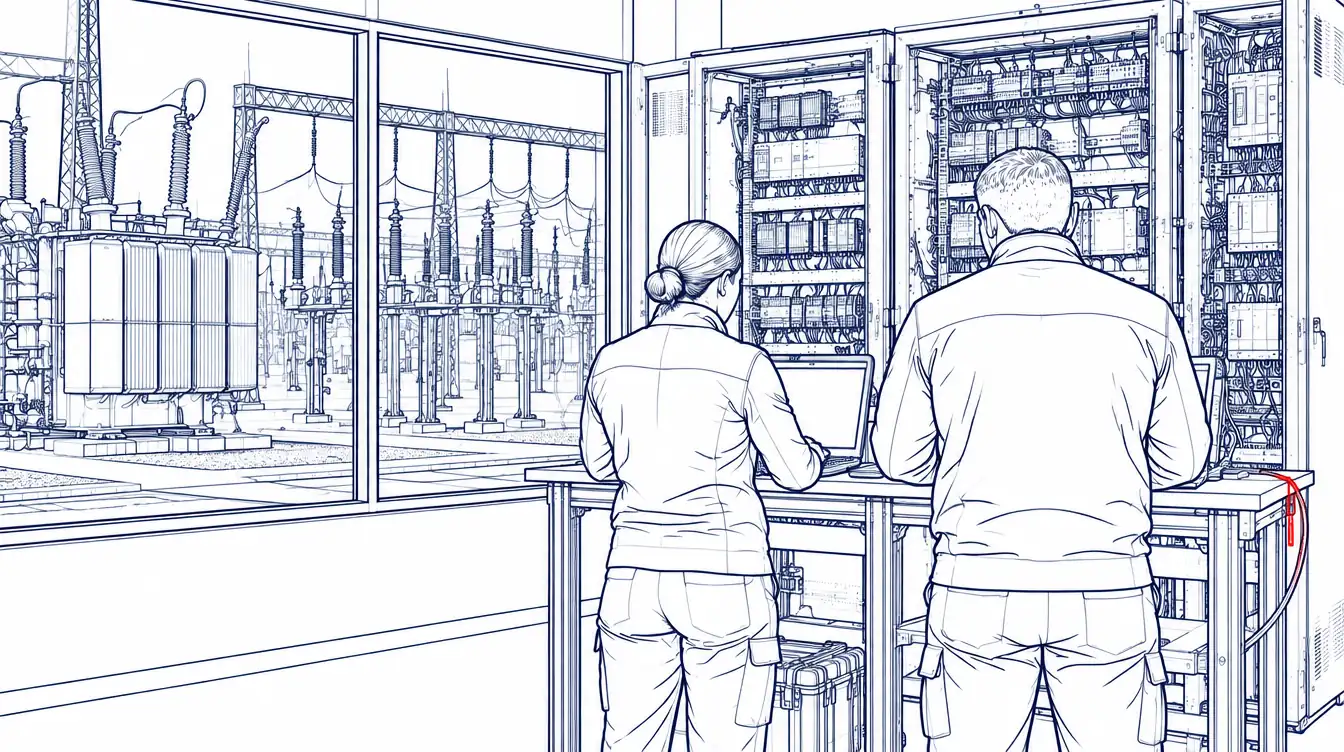
All products →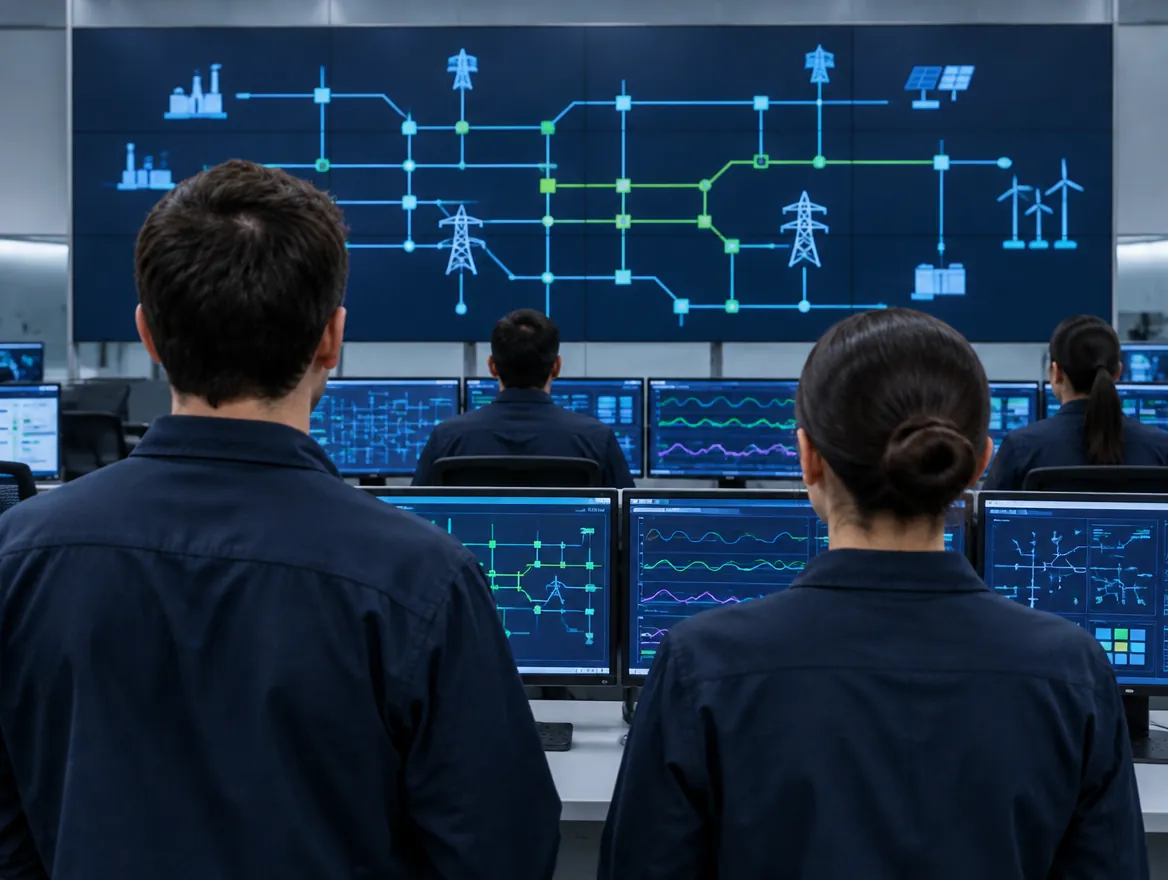 Substation control room
How we work
We start from your safety and security life cycle, not from the tool
We map IEC 61508, IEC 61511 and IEC 62443 work products to artifact types, link rules and views in IBM Engineering Lifecycle Management, move existing data across and train your engineers on their own projects.
Life cyclemapped to artifact types and links
Migrationfrom documents, spreadsheets and IBM Engineering Requirements Management DOORS (9.x)
On-premiseinstalled and maintained on your servers


FAQ
Questions energy and utility teams ask us
Do IBM Engineering Requirements Management DOORS Next and IBM Engineering Test Management need to be qualified under IEC 61508?
Usually not to the highest level. IEC 61508-3 classes offline support tools as T1, T2 or T3. A requirements or test management tool that does not generate code is normally T1, with no qualification data needed. It moves toward T2 when you take credit for its output, such as coverage reports, without review. We go through each use case with you, record the class and the reasoning in the safety plan, and where needed add checks so the output is verified.
How do we exchange specifications with system vendors and engineering contractors?
Each vendor gets only the modules and attributes for its scope, through ReqIF exchange or controlled access to a separate project area. Answers, deviations and clarifications come back into the same requirements, compared with the previous delivery, so you see what changed before you accept it. For vendors who work in documents, we set up import templates that keep requirement IDs stable, so the trace to FAT and SAT survives every exchange.
We run many plants or substations from one standard design. How do we manage site differences?
With streams and baselines in IBM Engineering Lifecycle Management Global Configuration Management. The standard design is one stream. Each site or project is a stream that reuses the standard and holds only its own changes. You compare a site with the standard item by item, decide which improvements to bring back, and keep a baseline per commissioning or modification, so the as-built state of each site stays reproducible years later.
Our safety requirements are in IBM Engineering Requirements Management DOORS (9.x), with DXL scripts. How do we move?
Project by project, not all at once. Running assets often stay on IBM Engineering Requirements Management DOORS (9.x) until the next major modification, while new projects start in IBM Engineering Requirements Management DOORS Next. When a project moves, modules, attributes and links move with their original IDs, and assessed baselines are kept as baselines, so earlier assessment evidence stays reproducible. DXL scripts are inventoried first. Most are replaced by configuration, views or link rules.
Our control software teams work in Atlassian Jira and GitLab. Can they stay there?
Yes. Safety requirements stay in IBM Engineering Requirements Management DOORS Next, and Atlassian Jira issues or GitLab merge requests link to them through OSLC connectors or a synchronization we configure. Developers keep their tools, and the trace from SRS to commit and test result stays complete. For safety-related logic we add a rule that a merge request needs a linked, approved change request before it can be merged.
How do IEC 62443, NIS2 and NERC CIP work alongside the functional safety file?
In the same project, with separate artifact types and link rules. Zones, conduits, target security levels and security requirements link to the same system requirements and tests as safety functions. A security patch or a new remote access path then triggers both security and safety impact analysis. NIS2 and NERC CIP controls are kept as requirements with owners and evidence links, so audits draw on the same data as the functional safety assessment.
New · SmarterWidgets 2.0
Ready-made widgets for IBM DOORS Next
Add them to the ELM Mini Dashboard and hand repetitive requirements work over to them. Each one previews its changes first.
Browse all widgets- Content qualityClean text and glossary linksStyle Cleaner, Link Checker and more
- Links and traceabilityFix, move and inspect linksLink Remover, Module To Base Links and more
- Module structureBuild and repair module hierarchyModule Fill, Module Explorer 2.0 and more
- Configuration and governanceBaselines, data models and auditsBaseline Archiver, Compare Data Models and more
- Reporting and publishingCharts, maps and publishingPublishing URLs, Module Insights and more
- See all widgetsScreenshots and details for every widget


Watch and learn
Our Videos
Demos, tutorials and customer stories on requirements, traceability and test.